
Mammillaria luethyi
Mammillaria luethyi
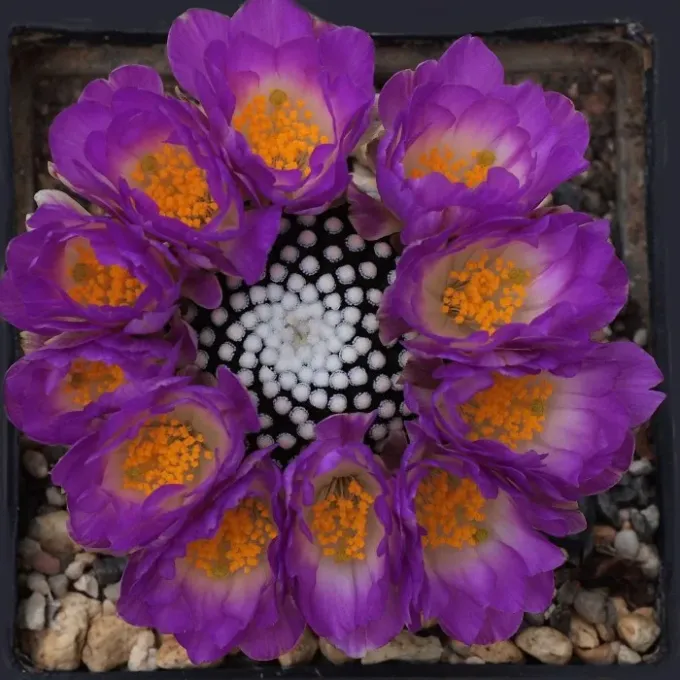
Description
Sowing dates
Sowing seeds of Mammillaria luethyi is best performed during the spring months, as the increasing day length stimulates natural germination processes. March and April provide the optimal conditions for the delicate seedlings to begin their development.
The ideal substrate for sowing should be sterile and fine-textured, typically composed of a mix of sand and vermiculite. Maintaining a consistently moist surface is crucial for the germination of these small, fragile seeds.
Using a cover such as glass or plastic is recommended to maintain high humidity levels around the seedlings. Regular ventilation is essential to prevent the accumulation of mold and fungal spores which can quickly decimate young cactus crops.
The temperature for germination must be carefully managed between 20 and 25 degrees Celsius. Extreme temperatures outside this range can inhibit the germination process or lead to rotting of the seeds before they have a chance to sprout.
Seedlings should remain in their original sowing container for at least a year until they develop sufficient mass. During this initial stage, the young plants are extremely vulnerable to moisture fluctuations and direct sunlight, requiring sheltered conditions.
Growing requirements
Mammillaria luethyi is a member of the Cactaceae family and is native to the limestone-rich areas of Coahuila, Mexico. In cultivation, it is considered a specialized plant that requires conditions that mimic its arid, rocky native habitat.
The substrate must be primarily mineral-based, containing very little organic matter, to ensure rapid water drainage. Incorporating coarse grit, crushed pumice, or granite sand into the soil mix is vital for root health and preventing moisture retention.
Bright, filtered light is essential for the healthy growth of this species, although direct midday sun in summer can cause severe burns. Providing intense but shaded light helps maintain the plant's natural form and prevents etiolation.
Irrigation must be precise, as the root system of Mammillaria luethyi is highly sensitive to waterlogged soil. Water should only be provided during the active growing season, and the substrate must be allowed to dry out completely between waterings.
A cool dormancy period during winter is mandatory for the plant to thrive. Maintaining temperatures around 10–12 degrees Celsius with almost zero water supply helps the plant prepare for its next growth cycle and potential flowering phase.
Main diseases and pests
Root and stem rot remain the primary threats to this species, usually caused by overwatering or poor drainage. If the stem becomes soft or discolored, immediate repotting into fresh, dry substrate is necessary to save the plant.
Mealybugs are common pests that tend to hide deep within the crevices between the tubercles of the cactus. Frequent inspection with a magnifying glass is recommended to detect early signs of infestation and prevent large colonies from forming.
Spider mites can also be problematic, especially in environments with low airflow or high temperatures. These pests feed on the succulent tissues, creating unsightly brown scars that diminish the plant's overall health and appearance.
Management of pests involves the use of systemic insecticides or miticides applied as a soil drench or spray. It is crucial to follow product instructions carefully, as some chemical concentrations can be phytotoxic to sensitive cacti.
Maintaining strong plant health through proper cultivation practices is the best defense against pests and diseases. Ensuring adequate airflow, correct watering cycles, and proper substrate hygiene significantly reduces the risk of infestation.