
Mammillaria longimamma
Mammillaria longimamma
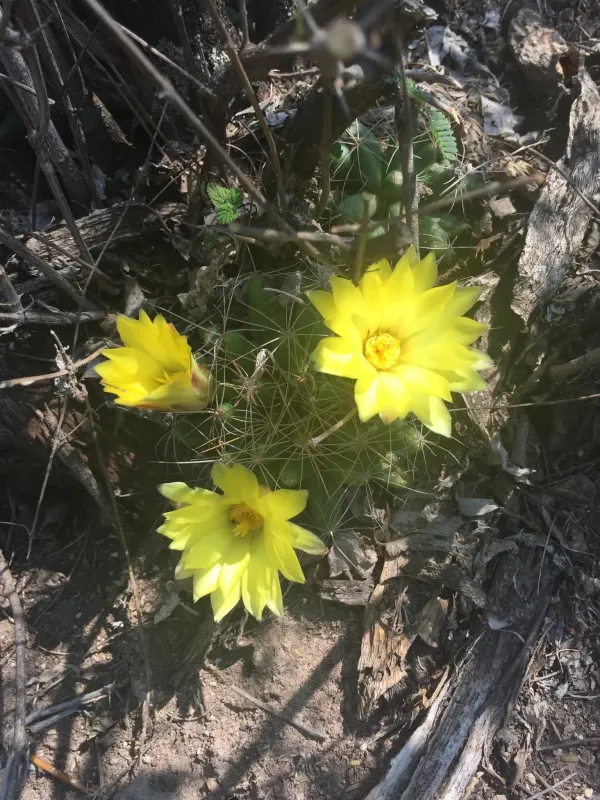
Description
Growing requirements
Mammillaria longimamma is a fascinating species belonging to the Cactaceae family, native to the central highlands of Mexico. It is distinguished by its exceptionally long, fleshy tubercles, which are its primary botanical feature, providing a unique architectural look.
The plant thrives in rocky, well-draining soils in its natural habitat, which necessitates specific cultivation requirements in home environments. It prefers a mineral-based substrate mixed with coarse sand and perlite to ensure rapid drainage and prevent water accumulation.
Light intensity is critical for the development of this cactus. It requires bright, indirect light, with some direct morning sunlight to maintain its compact shape and promote healthy growth. Insufficient light will cause the tubercles to stretch and lose their structural integrity.
Temperature management during the growing season should range between 20°C and 30°C. Adequate ventilation is essential to mimic the arid breezes of its native environment, which helps in temperature regulation and prevents surface moisture accumulation.
During the winter dormancy period, Mammillaria longimamma requires a drastic reduction in watering and a cooler environment, ideally between 8°C and 12°C. This cycle is vital for the plant to recover and initiate flower production during the following spring.
Main diseases and pests
Root rot, caused by overwatering or poorly draining soil, is the most common threat to this species. It is crucial to allow the substrate to dry out completely between waterings to ensure root health and prevent fungal colonization.
Mealybugs are the primary pest concern, as they hide in the deep axils between the long tubercles. Regular inspection is necessary, and infestations should be treated with systemic insecticides or isopropyl alcohol swabs applied locally.
Spider mites can be an issue if the humidity levels drop too low for extended periods. Keeping the plant clean and providing adequate airflow generally prevents large-scale outbreaks of these microscopic pests.
Bacterial soft rot may occur if the cactus is exposed to cold and damp conditions simultaneously. If soft or translucent patches appear on the tubercles, these areas must be surgically removed and treated with fungicide to prevent systemic collapse.
Scale insects can occasionally appear, appearing as small brown discs on the surface. These should be removed manually or treated with horticultural oils to prevent them from sapping the plant's vitality.