
Mammillaria lenta
Mammillaria lenta
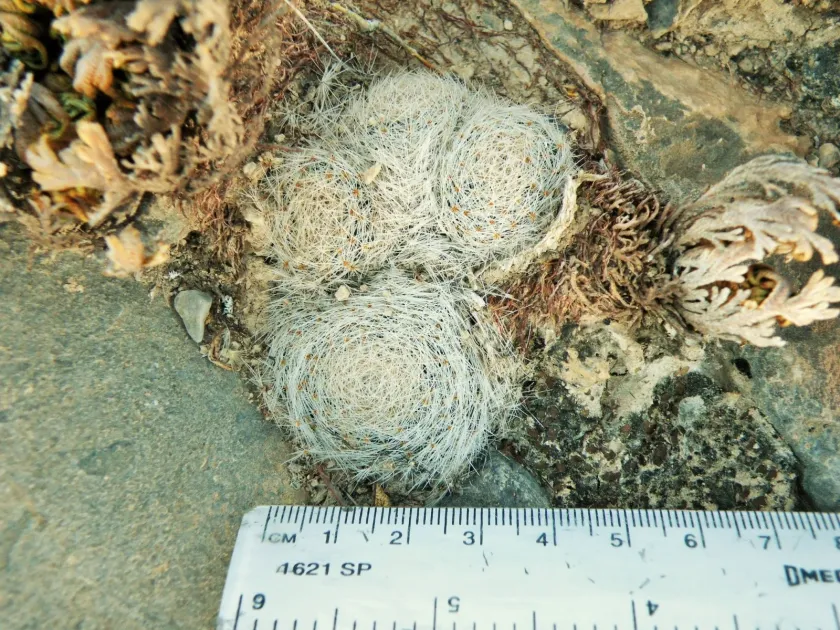
Description
Sowing dates
Sowing Mammillaria lenta seeds is best performed during the spring, when temperatures are stable between 20 and 25 degrees Celsius. The sowing medium should be a light, porous mixture consisting primarily of sand, perlite, and a small amount of peat moss.
Seeds are distributed evenly across the moist surface and covered with a fine layer of coarse sand to provide support. Covering the container with glass or plastic is essential to create a high-humidity greenhouse environment for successful germination.
Daily ventilation of the sowing container is required to prevent mold and fungal growth. As the seedlings develop, the humidity levels should be gradually reduced to help them acclimate to the ambient indoor environment.
Pricking out the young cacti is typically done after six months, once they have developed enough mass to be handled carefully. It is vital to use small pots to avoid overwatering the developing root systems.
Maintaining consistent moisture in the substrate during the first few weeks is crucial for a high germination rate. Once the seedlings are established, watering frequency should be reduced to encourage strong root growth.
Growing requirements
As a member of the Cactaceae family, Mammillaria lenta thrives in bright, direct sunlight. Placing it in a position that receives morning sun and afternoon shade is ideal for its development and preventing sunburn on its skin.
The plant requires a well-draining soil mix specifically formulated for cacti and succulents. A mixture of gravel, sand, and organic potting soil in a 2:2:1 ratio provides the necessary drainage to prevent root rot.
During the winter resting period, temperatures should ideally drop to 10–12 degrees Celsius to mimic its natural environment. Watering during this time should be minimal to keep the plant in its dormant state.
Active growing season watering must be careful and targeted; only hydrate the plant when the soil is completely dry. Water should be applied directly to the soil to keep the stem and tubercles dry.
Nutrient supplementation should be restricted to the growing season, applying balanced, low-nitrogen fertilizer once a month. Over-fertilization can lead to weak, elongated stems that lack the species' natural compact form.
Main diseases and pests
The most significant threat to Mammillaria lenta is root rot, which occurs due to excessive soil moisture or poor drainage. This condition is often irreversible once symptoms reach the main body of the plant.
Spider mites are common pests that thrive in dry, stagnant air. They leave characteristic scarring on the skin of the cactus, which detracts from its aesthetic appeal and stresses the plant's health.
Effective pest control involves the use of specialized acaricides and regular monitoring of the plant's surface. Maintaining good airflow around the cactus significantly reduces the risk of pest infestation.
Prophylaxis involves keeping the workspace clean and using sterilized substrates for all repotting activities. Observing the plant for changes in color or texture allows for early intervention in case of illness.
- Maintain excellent drainage in all pots.
- Provide ample light and occasional ventilation.
- Use systemic treatments only when pest presence is confirmed.