
Mammillaria laui
Mammillaria laui
Description
Growing requirements
Mammillaria laui is a small-sized succulent species belonging to the Cactaceae family. Originating from the mountainous regions of Tamaulipas and Nuevo León in Mexico, this species thrives in rocky, calcareous terrain where drainage is naturally excellent.
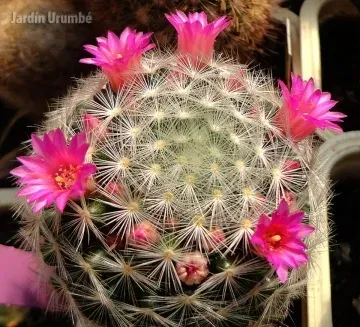
Botanically, this plant is characterized by its clumping habit, forming dense mounds of small, globular stems. The surface is adorned with numerous fine radial spines that create a soft, feathery, and almost silvery appearance, which is highly valued by collectors.
Successful cultivation requires a highly porous, gritty soil medium that mimics its natural habitat. A mix of pumice, coarse sand, and a small amount of organic substrate ensures proper aeration and prevents the waterlogging that is fatal to this species.
The plant demands high light intensity to maintain its characteristic compact shape and dense spine coverage. In greenhouse conditions, supplemental lighting may be necessary during overcast months to prevent etiolation and loss of structural integrity.
Temperature management is critical for Mammillaria laui. During the growing season, temperatures between 20°C and 25°C are ideal, while a cool, dry winter dormant period with temperatures around 10°C is necessary to stimulate the following season's flowering cycle.
Main diseases and pests
Root mealybugs are the primary pest concern for this species, often hiding in the crevices between stems and deep within the root zone. Detection is difficult, requiring careful inspection of the root system during the annual repotting process.
Fungal rots, particularly those caused by Phytophthora or Pythium species, pose a significant threat when soil moisture levels are too high. Overwatering, especially during cooler periods, can lead to rapid decay of the plant's succulent tissue.
Spider mites can infest the plant in warm, dry environments, causing discolouration and damage to the epidermis. Regular monitoring for fine webbing is essential, and immediate treatment with systemic miticides is recommended at the first sign of infestation.
Poor ventilation combined with high humidity increases the risk of grey mould and other fungal infections. Maintaining consistent air movement around the plant is a fundamental aspect of preventive horticultural care for this cactus.
Proactive management includes applying systemic insecticides to the soil or as a foliar spray according to the product guidelines. This helps build resistance against common succulent pests and ensures the plant remains healthy throughout its life cycle.