
Mammillaria klissingiana
Mammillaria klissingiana
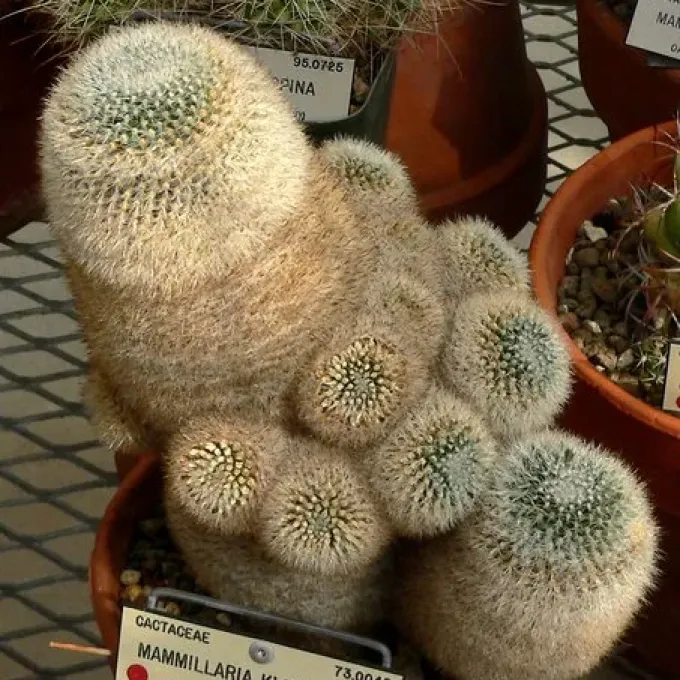
Description
Sowing dates
Propagation of Mammillaria klissingiana is most effectively achieved through seeds sown during the early spring. This timing aligns with the natural increase in day length, which is crucial for triggering germination and supporting the initial growth of seedlings.
The seeds require a finely textured, sterile medium consisting of sand and peat. It is essential to maintain high humidity within a propagation chamber, while ensuring the temperature stays consistently between 20 and 25 degrees Celsius for optimal results.
Once seedlings emerge, they must be gradually acclimated to lower humidity levels to harden their tissues. Over-exposure to dry air too early can cause dehydration, while keeping them too moist for extended periods increases the risk of damping-off diseases.
Vegetative propagation via offsets is another viable method for producing clones. When removing offsets, it is critical to use a disinfected blade and allow the wound to air-dry in a shaded, ventilated area for several days before placing it into the rooting substrate.
Successful establishment of young plants depends on providing stable conditions during their first season. Avoiding excessive root disturbance and providing a slow transition to full sun exposure are vital for healthy development.
Growing requirements
Mammillaria klissingiana belongs to the Cactaceae family and is native to the high-altitude regions of Mexico. It is specifically adapted to environments with high light intensity and distinct diurnal temperature fluctuations, necessitating similar conditions in cultivation.
The soil requirements focus on excellent drainage to prevent root suffocation. A mineral-heavy mix, including coarse gravel, perlite, and a small portion of organic matter, is considered the gold standard for maintaining root health in this species.
Optimal light exposure is non-negotiable for this cactus, which requires several hours of direct sunlight daily to maintain its characteristic compact form and dense spination. In insufficient light, the plant will stretch, losing its aesthetic appeal and structural integrity.
Temperature management should follow seasonal cycles: 20–30 degrees Celsius during the growing phase and a cool dormant period of 10–12 degrees Celsius during winter. The winter rest is essential for promoting flowering in the subsequent year.
Watering practices should be strictly controlled, with the substrate allowed to dry out completely between waterings. Fertilization is limited to the growing season using a low-nitrogen, high-potassium formula, which supports robust tissue development without encouraging weak, rapid growth.
Main diseases and pests
The most significant threat to Mammillaria klissingiana is overwatering, which quickly leads to root and stem rot. Once rot sets in, it spreads rapidly through the succulent tissues, often making salvage attempts unsuccessful if detected too late.
Spider mites are common pests that thrive in dry, stagnant air. These microscopic pests puncture the plant's skin, leaving behind discolored scars that can permanently damage the appearance of the cactus and serve as entry points for pathogens.
Mealybugs are particularly problematic because they hide within the dense spines and white wool found in the plant's areoles. Their presence is indicated by a white, cottony substance, requiring prompt removal and systemic treatment to eradicate the infestation.
Fungal pathogens can flourish if humidity is too high or if the plant remains damp for too long. Proper air circulation and the use of copper-based fungicides can act as effective preventative measures in greenhouse or indoor settings.
Environmental stress, including sudden temperature drops or inadequate ventilation, weakens the cactus's natural resistance. Maintaining a balanced environment is the most effective defense strategy against both biotic and abiotic threats to this culture.