
Mammillaria hybrids
Mammillaria hybrids
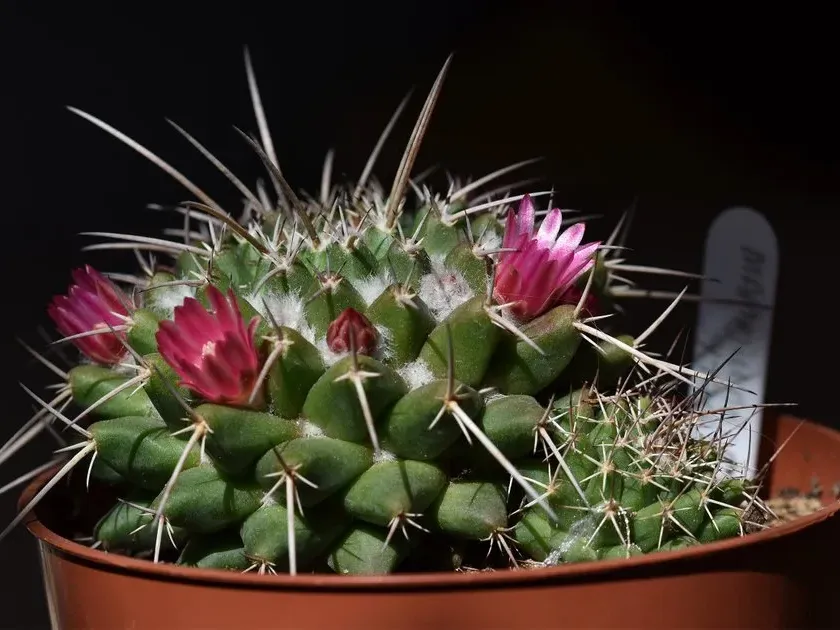
Description
Sowing dates
The propagation of Mammillaria hybrids is primarily achieved through seeds or by separating offsets. Sowing seeds in a greenhouse environment or indoors is best performed in early spring as daylight hours increase.
For successful germination, a substrate with a high proportion of coarse sand and perlite is essential to provide excellent drainage. A temperature range between 22–25 degrees Celsius should be maintained during the germination period.
Seeds are sown on the surface and lightly covered with fine sand, then covered with glass or film to create a mini-greenhouse effect. Regular ventilation of the seed trays prevents mold growth on the substrate surface.
When using vegetative propagation, offsets should be removed from the mother plant using a sterile knife during the active growing season. The cut area must be dried for 2–3 days in the shade before placing the offset into a dry substrate for rooting.
Rooting occurs more efficiently under stable, warm conditions and in bright but indirect light, avoiding harsh direct sunlight until the plantlets are well-established.
Growing requirements
Mammillaria hybrids belong to the Cactaceae family and are a product of selective breeding of species native to the arid regions of Mexico and the Southern United States. This culture is highly photophilous and requires intense light throughout the year.
The potting soil for these succulents must be loose, airy, and slightly acidic. An optimal mixture consists of loam, leaf mold, and coarse sand in a 1:1:2 ratio, providing the necessary porosity.
Watering should be approached with caution: the substrate must dry out completely between waterings. During the winter dormancy period, when temperatures drop to 10–12 degrees Celsius, watering should be reduced to almost zero.
Humidity is not a critical factor, but stagnant water at the root neck is detrimental. A substantial drainage layer made of expanded clay or gravel at the bottom of the pot is a mandatory agricultural requirement.
During the growing season, applying specialized low-nitrogen fertilizers for cacti helps promote healthy stem structure and enhances flowering performance.
Main diseases and pests
Root rot is the most significant threat to Mammillaria, typically caused by chronic overwatering combined with low temperatures. Affected areas must be surgically removed, followed by the application of fungicidal treatments.
Mealybugs are the most common pests, often hiding in the crevices between the tubercles of the stem. Their presence is indicated by a white, cottony residue on the plant body.
Spider mites may also attack the plants in hot, dry conditions, causing yellow spotting and corky patches on the epidermis. Preventive measures include regular inspections and maintaining proper airflow.
Systemic insecticides or acaricides can be used to combat pests, provided that dosage instructions for ornamental plants are strictly followed. Careful application is necessary to prevent damaging the plant tissue.
- Routine sterilization of gardening tools
- Quarantine for new plant acquisitions for at least 30 days
- Maintaining overall hygiene in the growing space