
Mammillaria heyderi
Mammillaria heyderi
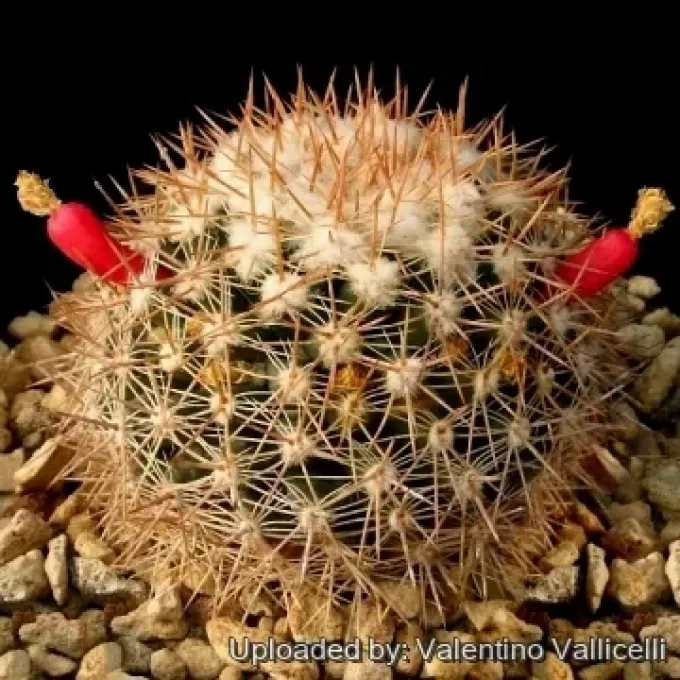
Description
Sowing dates
The propagation of Mammillaria heyderi primarily relies on seed sowing during the early spring months. Seeds are distributed on the surface of a porous, mineral-based substrate to ensure optimal gas exchange for the germinating embryos.
Maintaining a temperature range of 22–26 degrees Celsius is essential for high germination rates. Keeping the substrate consistently moist, but not saturated, allows the seeds to sprout effectively within two to three weeks.
Young seedlings require stable light levels but must be protected from intense UV radiation. Gradually increasing exposure to natural sunlight helps them harden and develop robust spines, which are characteristic of this species.
Transplanting into individual seedling containers occurs when the plants reach a diameter of approximately 1 cm. This move into a more nutrient-poor soil helps establish a healthy root-to-shoot ratio, essential for long-term cactus growth.
Proper aeration after the first transplanting stage prevents damping-off, a common fungal disease that can decimate young crops if the ventilation is insufficient.
Growing requirements
As a member of the Cactaceae family, Mammillaria heyderi requires a specialized environment that mimics the arid climate of its native range. High-intensity light is the primary driver of healthy metabolic processes in this succulent.
The soil must be inorganic and free-draining. A typical mix includes 50% coarse sand, 25% volcanic pumice, and 25% sterilized loam, providing the aeration required for the deep taproots typical of this species.
Climatic requirements involve a clear distinction between the active growing season and the winter dormancy. During summer, moderate watering after the soil has completely dried out is the standard practice for agricultural cultivation.
The dormancy period, occurring in winter, requires cooler temperatures between 8 and 10 degrees Celsius. This phase is crucial for the internal physiological changes necessary to initiate flower bud formation for the next season.
Agricultural setups must account for low humidity levels. Excess moisture in the air combined with poor air circulation is detrimental and significantly increases the risk of physiological disorders and rot.
Main diseases and pests
Mealybugs are the most common agricultural pest affecting this species. They hide in the deep axils between the tubercles, making manual control difficult, hence the use of systemic insecticides is often required in commercial setups.
Root aphids pose a hidden threat to the underground system. Their presence can be identified by a cessation of growth or stunted development, requiring immediate treatment with soil-applied pesticides or heat-sterilization of the media.
Fungal rots, specifically those caused by Phytophthora or Pythium, occur when soil moisture remains high for too long. Improving drainage and applying contact fungicides are standard responses to these pathogens.
Red spider mites can cause significant damage to the epidermis, especially in hot, dry, and stagnant air environments. Regular monitoring with a magnifying lens is recommended to prevent mass infestations.
Excessive nitrogen fertilizer leads to succulent, water-heavy tissues that are susceptible to both mechanical damage and opportunistic infections. A balanced, low-nitrogen cactus-specific fertilizer should be used sparingly during the growth phase.