
Mammillaria herrerae
Mammillaria herrerae
Description
Sowing dates
Propagation of Mammillaria herrerae by seed is the most recommended method to preserve the integrity of the species. Sow seeds in early spring, typically between March and April, to coincide with the beginning of the active growth phase.
Use a sterile, well-draining mineral-based substrate. Spread the seeds thinly on the surface of the soil and mist them lightly. Covering the tray with transparent plastic helps maintain the humidity required for germination.
Maintain temperatures between 22 and 25 degrees Celsius. Place the containers in a location with bright, indirect light to encourage healthy development of the seedlings during the initial weeks.
Once the seedlings are large enough to handle, usually after several months, transplant them into individual small pots. Avoid excessive root disturbance as the species has a relatively delicate root system.
Gradual acclimatization to drier air and brighter light conditions is crucial after the germination phase. This ensures the young cacti build resistance to environmental stress.
Growing requirements
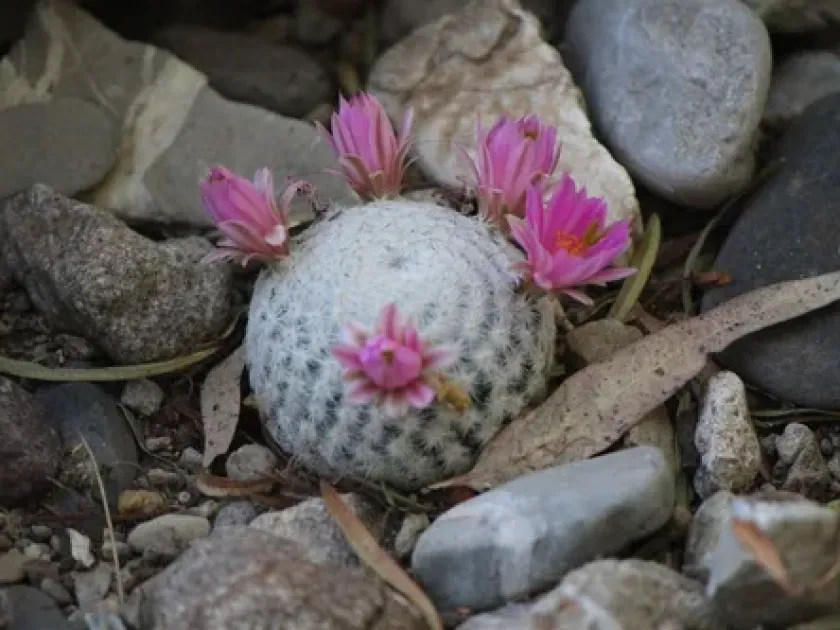
Mammillaria herrerae is a highly sought-after cactus species within the Cactaceae family, native to the state of Queretaro, Mexico. It is characterized by its small, globular body and dense covering of white, spine-like structures.
The species requires a gritty, porous soil mix to prevent root rot, which is a major risk for this plant. A mix containing perlite, pumice, and coarse sand is highly recommended for optimal root health.
High light intensity is essential for Mammillaria herrerae. Full morning sun or bright filtered light throughout the day will keep the plant compact and promote dense spine growth, which is its primary aesthetic feature.
During the winter dormancy period, the plant should be kept dry and in a cool environment, ideally between 8 and 12 degrees Celsius. This rest period is vital for the initiation of its beautiful pink flowers in the spring.
Watering must be very infrequent. Allow the soil to dry out completely between waterings, and always avoid getting water on the stem, as the dense spines can hold moisture and encourage fungal infections.
Main diseases and pests
Root rot is the primary physiological threat to Mammillaria herrerae. It is almost always caused by overwatering or using a soil mix that retains too much moisture for too long.
Root mealybugs can be a persistent pest problem. These insects live in the soil and feed on the roots, which can stunt plant growth and make it more susceptible to secondary fungal infections.
Spider mites are potential pests, especially during the hot, dry summer months. They feed on the epidermis of the cactus, leaving behind unsightly discolored patches and weakening the plant structure.
Poor ventilation is a hidden threat. Stagnant air combined with high humidity increases the risk of rot, particularly in the crown of the cactus where new growth occurs.
- Sanitation: Use sterile tools and substrates for all potting activities.
- Inspection: Check the underside of the cactus and the soil surface frequently.
- Pest management: Use systemic insecticides only as a last resort.
- Drainage check: Ensure pots have sufficient holes for water egress.
- Humidity control: Maintain low humidity levels in the growing environment.