
Mammillaria hahniana
Mammillaria hahniana
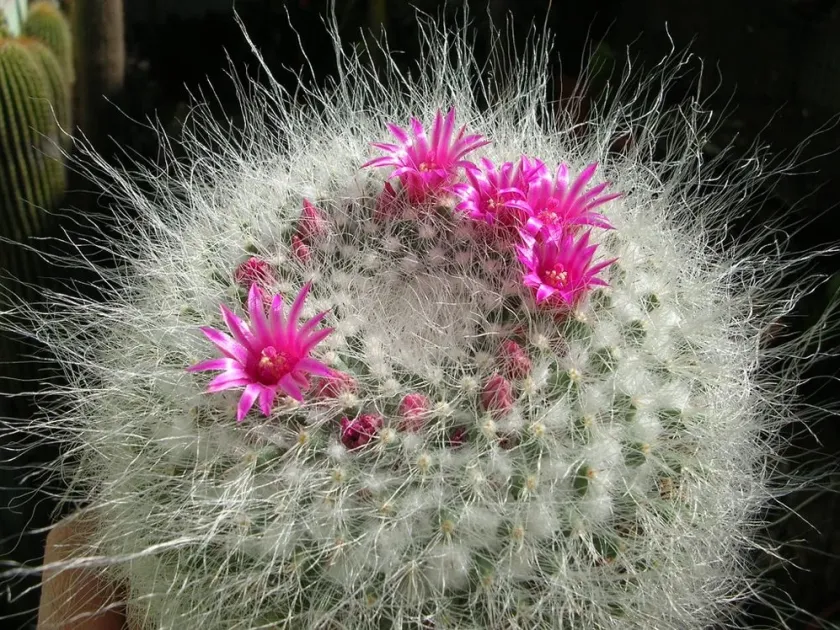
Description
Sowing dates
Propagation of Mammillaria hahniana by seeds requires a stable temperature range of 20–25°C. Sowing should be done in a light, well-draining substrate composed of sand and loam, ensuring the moisture is maintained until germination.
Seedlings grow slowly, necessitating a humid environment inside a propagator during the initial development phase. Proper ventilation must be provided to prevent damping-off disease in the young cactus population.
Pricking out the seedlings into individual containers is recommended once they reach the size of a small pea. This allows for better space management and prevents competition for nutrients within the nursery trays.
Spring is the ideal season for sowing, as the increasing natural daylight hours support faster development. Supplemental LED lighting can be utilized if natural light intensity is insufficient in the cultivation area.
Vegetative propagation via offsets is also common. The offsets should be carefully removed, left to callous for several days in a shaded area, and then placed in dry sand until root initiation occurs.
Growing requirements
Mammillaria hahniana, belonging to the Cactaceae family, is native to the high-altitude regions of Mexico. This succulent requires intense, bright light and is best suited for sunny windowsills or greenhouse environments.
The ideal soil mix is a porous, mineral-rich substrate specifically designed for cacti and succulents. Adding perlite or pumice is essential to ensure excellent drainage and root aeration, preventing water stagnation.
Optimal summer growth temperatures range from 22–28°C. During the winter months, the plant requires a cool dormancy period at 10–12°C, which is essential to trigger the development of its signature ring of pink flowers.
Irrigation must be withheld during the dormant season and kept minimal during the growing season. It is vital to water only when the substrate is completely dry to prevent rot and physiological damage.
The plant thrives in low-humidity environments. Spraying or misting is strongly discouraged, as the dense, white hairlike spines can trap moisture and promote fungal infections on the stem surface.
Main diseases and pests
Mealybugs represent the primary pest risk, as they are adept at hiding within the dense, white down of the cactus. Regular inspections and the use of systemic insecticides are standard procedures for effective management.
Root rot, triggered by overwatering or poorly draining soil, remains the most significant threat to plant survival. Once the roots are severely decayed, the plant is difficult to recover and may require stem cutting and rerooting.
Red spider mites can infest the epidermis in conditions with insufficient airflow, causing discoloration and structural damage. Application of appropriate miticides is necessary upon the first signs of infestation.
Poor lighting during the growth phase leads to etiolation, where the plant loses its natural spherical shape and becomes weak. Maintaining correct light levels is essential to keep the cactus compact and healthy.
- Use of sterile substrate mixtures to avoid soil-borne pathogens.
- Quarantining new plants before introducing them to the main collection.
- Avoiding water contact with the stem during the irrigation process.
- Monitoring the plant base for signs of moisture stress or rot.