
Mammillaria haageana
Mammillaria haageana
Description
Growing requirements
Mammillaria haageana is a popular succulent belonging to the Cactaceae family. Originating from the mountainous regions of Mexico, this cactus is well-adapted to high-altitude environments characterized by rocky soils and specific temperature fluctuations throughout the day.
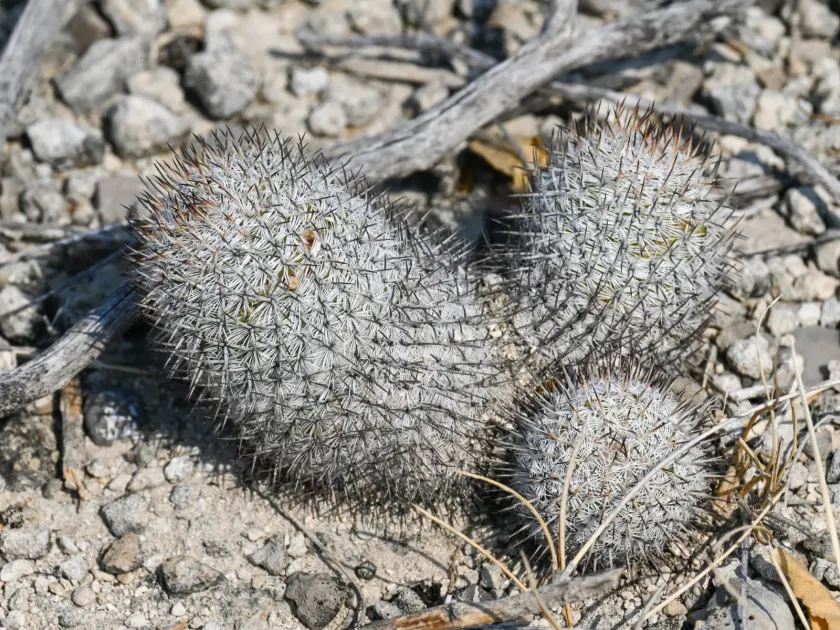
Botanically, it is distinguished by its globose to short cylindrical stems densely covered with tubercles. The plant features radial spines and occasionally central spines, which provide a distinctive ornamental appearance, often enhanced by small, delicate pinkish or white flowers.
The plant requires bright, direct sunlight to thrive. In indoor settings, it should be placed in a spot that receives ample light to maintain its compact shape and prevent etiolation. Insufficient light is the primary cause of structural deformity in this species.
The growing medium must be highly porous and well-draining. A typical cactus mix, consisting of grit, sand, and organic potting soil in a ratio of 2:1:1, is highly recommended to ensure oxygen reaches the root system and prevents moisture retention.
Temperature management is critical for the plant's life cycle. While it enjoys warm temperatures between 20–25 °C during the growing season, a cool winter dormant period of 8–12 °C is essential to induce blooming and maintain the overall health of the specimen.
Main diseases and pests
The most significant threat to Mammillaria haageana is root rot, triggered by overwatering or soil that remains damp for too long. Improving drainage and ensuring the substrate dries out completely between waterings is the best defense against this issue.
Mealybugs are common pests that tend to hide in the axils of the tubercles. These insects suck the sap from the cactus, causing stunted growth and leaving behind sticky residues that can lead to secondary fungal infections if not removed.
Spider mites are another frequent problem, especially in low-humidity environments. They cause discoloration of the epidermis, creating patches of light, webbed damage that detracts from the plant's aesthetic value and physiological health.
Root nematodes can cause severe damage by creating knots on the root system, preventing the plant from absorbing necessary nutrients. Infected plants often show signs of general weakness and will stop growing entirely if left untreated.
Preventive maintenance involves regular inspection of the stems and roots. Using high-quality, sterilized soil and ensuring adequate air circulation around the plants helps to mitigate the spread of pests and diseases significantly.