
Mammillaria guerreronis
Mammillaria guerreronis
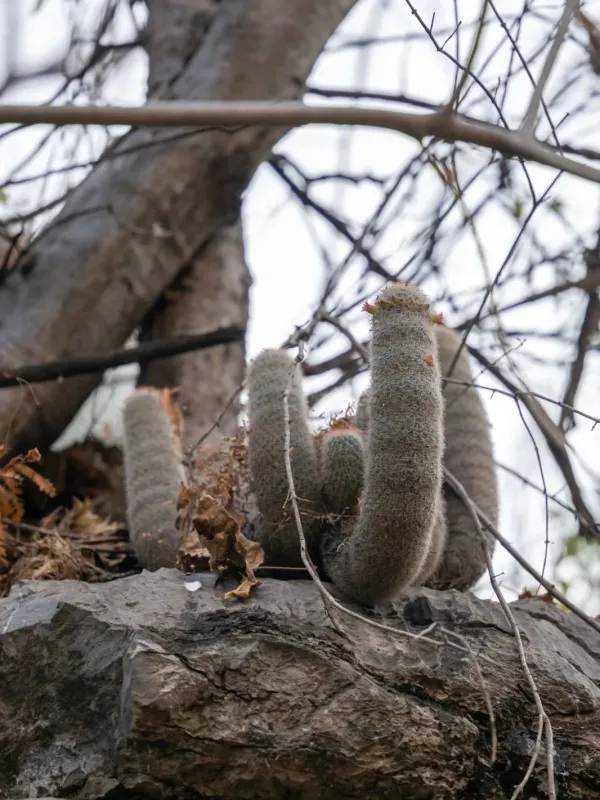
Description
Sowing dates
Sowing seeds of Mammillaria guerreronis should take place in spring to capitalize on the warmer temperatures, which should ideally stay above 20 degrees Celsius. Use a highly porous, gritty substrate to prevent moisture retention and ensure proper air circulation for developing seedlings.
Germination requires consistent humidity; therefore, covering the seed tray with a transparent lid or plastic wrap is recommended until the first spines appear. Once seedlings are visible, gradually reduce humidity to prevent damping-off, a common fungal disease in cacti nurseries.
Pricking out the young cacti is necessary once they reach a size that allows for careful handling, typically a few months after germination. Providing individual space prevents competition for nutrients and ensures the cactus develops its characteristic cylindrical shape.
Vegetative propagation via offsets is a viable and faster alternative to seed sowing. Offsets should be carefully removed and left to dry for several days until a callous forms, which significantly reduces the risk of rot upon planting.
Patience is essential during the early stages, as Mammillaria species grow relatively slowly. Proper light and temperature management during the first year of life determine the future health and flowering capacity of the cactus.
Growing requirements
Mammillaria guerreronis, a member of the Cactaceae family, originates from the rocky terrains of Guerrero, Mexico. It thrives in conditions that mimic its natural habitat, requiring high light intensity and excellent drainage to flourish properly.
The ideal potting mix consists of a blend of pumice, coarse sand, and a small amount of organic loam. Avoid heavy, water-retentive soils, as they inevitably lead to root system decay in this specific species, which is sensitive to overwatering.
During the active growing season, water the cactus thoroughly but allow the soil to dry out completely before the next application. Providing a dry, dormant period in winter is crucial for this plant to reset its metabolism and produce flowers in the following season.
Temperature control is vital; while it enjoys warm summers, it requires a cool winter rest period between 10 and 12 degrees Celsius. This mimics the natural temperature fluctuations of its native habitat and discourages etiolation.
Fertilization should be handled with caution, using only low-nitrogen cactus fertilizers during late spring and summer. High nitrogen levels cause rapid, weak growth that makes the cactus structurally unstable and prone to mechanical damage.
Main diseases and pests
Root rot remains the most serious threat to Mammillaria guerreronis, usually triggered by poor drainage or persistent overwatering. Signs include a squishy base and yellowing of the skin, requiring immediate intervention and repotting.
Mealybugs are frequent pests that nest in the dense, woolly axils of the tubercles. Because they are often hidden, physical removal with a cotton swab dipped in alcohol followed by systemic treatment is the most effective approach.
Spider mites can become a nuisance in environments with very low humidity, causing unsightly brown patches on the cactus epidermis. Maintaining adequate airflow is the best preventative measure against these microscopic pests.
Viral infections can sometimes result in irregular growth patterns or discoloration of the stem. Since there are no reliable cures for plant viruses, isolation and strict hygiene during cultivation are the only ways to protect the rest of the collection.
Mechanical injuries from handling can create entry points for pathogens, making it important to wear gloves or use tools when interacting with the plants. Any damage should be kept dry to ensure it callouses over correctly.