
Mammillaria gigantea
Mammillaria gigantea
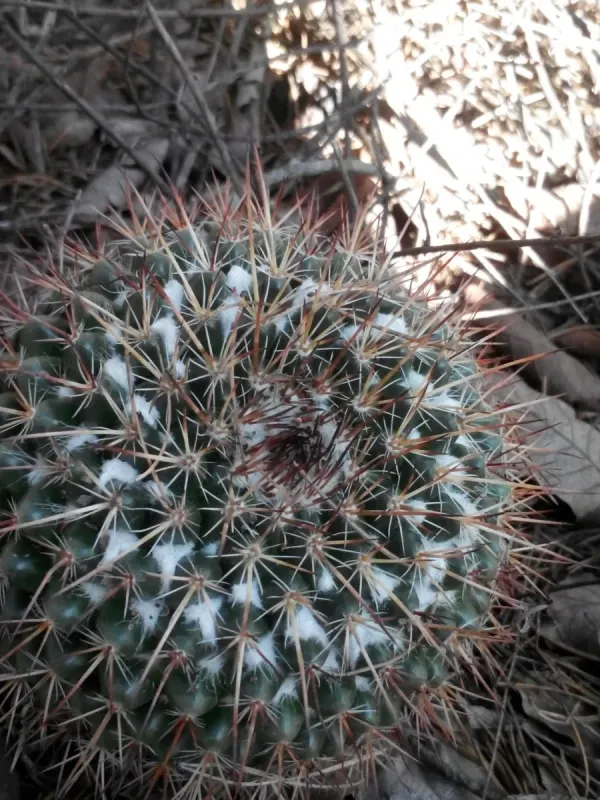
Description
Sowing dates
Mammillaria gigantea belongs to the Cactaceae family, known for its distinct globose shape and impressive spines. Propagation is primarily achieved through seeds sown in a porous, well-draining mineral soil mix.
Seeds should be distributed evenly on the surface of the substrate and lightly pressed down. Covering the container with transparent plastic helps maintain humidity for germination.
Optimal germination temperatures range from 20 to 25 degrees Celsius. Once the seedlings emerge, it is crucial to gradually increase ventilation to harden the young plants.
As the plants grow, they require careful handling. Using small, individualized pots during the initial transplanting stage prevents overwatering risks and promotes better root aeration.
Seedlings remain sensitive for several months, so keeping the substrate consistently but not excessively moist is essential until they reach a more resilient stage.
Growing requirements
Originating from the mountainous regions of Mexico, this species thrives in environments with high light intensity. It requires a sunny, south-facing position to maintain its form.
The potting medium must be inorganic-based, specifically designed for cacti. A mixture containing coarse sand, pumice, and minimal loam provides the best structural support for the plant.
Watering should be strictly regulated; during the peak growth season, the soil must be allowed to dry out completely between waterings to prevent root damage.
Winter dormancy is vital for the physiological health of the plant. Temperatures should be kept low, ideally between 8 and 12 degrees Celsius, with no water provided during this time.
Good air circulation is necessary to simulate the plant's natural habitat, helping to strengthen the epidermis and encouraging the development of its signature defensive spines.
Main diseases and pests
Rot caused by fungal pathogens is the most common issue. This usually stems from a combination of poor drainage, high humidity, and improper substrate choice.
Red spider mites represent a common pest. They thrive in dry indoor air, causing discoloration and scarring on the surface of the cactus stems over time.
Mealybugs are frequently found in the axils of the tubercles. They appear as small white cotton-like spots and can significantly weaken the plant if left unchecked.
Regular inspections of the plant's surface and root health are highly recommended to detect early signs of infestation and address them with targeted insecticides.
Maintaining a clean, hygienic environment and ensuring proper plant spacing are the best defensive strategies against the spread of pests and diseases in a cactus collection.