
Mammillaria geminispina
Mammillaria geminispina
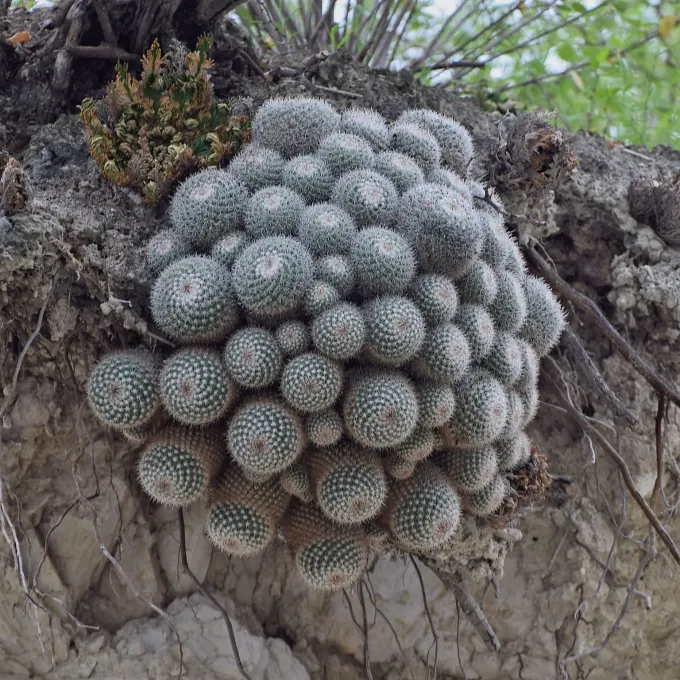
Description
Sowing dates
The sowing of Mammillaria geminispina seeds is best performed during the spring, specifically from March to April, to coincide with the natural increase in daylight duration. Use a fine-textured, sterile substrate consisting of a mix of sand, perlite, and sieved peat.
Seeds should be spread evenly over the surface of the pre-moistened soil without burying them deeply. Covering the container with plastic or glass is necessary to maintain high humidity and protect the delicate seeds from drying out until germination occurs.
Maintain a stable temperature between 22–25 degrees Celsius for optimal germination results. Daily ventilation of the container is crucial to prevent the accumulation of moisture and the development of fungal spores that could harm the seedlings.
Once seedlings have developed their primary spines, the cover can be gradually removed to acclimate them to ambient humidity. Pricking out or repotting should only be done when the plants are sufficiently strong to handle the disturbance to their root systems.
Early-stage development is slow, so patience is required during the first year. Proper light exposure after germination is vital to prevent the seedlings from becoming etiolated, which often leads to poor structural development.
Growing requirements
As a member of the Cactaceae family, this species requires high levels of direct sunlight to thrive. In an indoor setting, a south-facing window is ideal, though protection from extreme midday heat during the hottest summer months is advised.
The potting medium must be inorganic and fast-draining. A mix consisting of grit, coarse sand, and a small amount of potting soil is perfect. The soil pH should remain neutral to slightly acidic to allow for proper nutrient absorption.
Watering should be carried out using the soak-and-dry method. During the active growth phase, allow the soil to dry completely before the next watering. In winter, the plant enters a dormancy stage and requires minimal to no water to stay healthy.
A cool winter dormancy period is essential for flowering. Temperatures should ideally range between 8–12 degrees Celsius during this rest phase, which encourages the formation of flower buds for the following spring season.
Mammillaria geminispina is highly adapted to arid conditions and does not require supplementary humidity. In fact, excessive air moisture can lead to skin blemishes and encourage the growth of pests and fungal pathogens.
Yield
The horticultural value of Mammillaria geminispina is measured by its aesthetic appeal, specifically its clumping habit and the dense, white radial spines that cover its stem. Mature specimens form impressive, compact colonies over time.
Flowering is a key indicator of successful cultivation. In spring and summer, healthy plants produce an attractive ring of pinkish-white flowers around the apex of the stems, significantly increasing the plant's decorative value.
Propagation is primarily achieved via the removal of offsets (pups) from the parent clump. These should be allowed to dry for several days before being placed into a dry substrate to initiate the development of a new root system.
To maximize the display, fertilize sparingly with a low-nitrogen, high-potassium cactus fertilizer. This encourages strong spine development and resilient epidermal growth, while avoiding the soft, rapid growth often caused by excessive nitrogen.
Regular rotation of the plant toward the light source ensures an even growth pattern. This helps maintain the characteristic globular, clumping form, preventing the cactus from leaning toward the light and becoming misshapen.
Main diseases and pests
Common pests include root mealybugs and spider mites. Root mealybugs are particularly difficult as they live in the soil; regular inspections during repotting are recommended to identify these pests before they inflict severe damage.
Fungal diseases such as rot are the primary threat, typically caused by overwatering or poor ventilation. If the base of the stem turns mushy or dark, it indicates an infection that could lead to the loss of the entire plant if left unchecked.
Chemical control involving systemic insecticides and miticides should be used cautiously. Always follow the manufacturer's instructions, ensuring the soil is not overly saturated at the time of application to prevent root burning.
Prevention is the best strategy: ensure pots have adequate drainage holes and use a mineral-rich, aerated soil mixture. Keeping the environment clean and disposing of infected plant material immediately helps prevent the spread of diseases.
In cases of local rot, excision of the affected tissue using a sterile blade is an effective treatment. Allow the wound to callous in a dry, shaded area before reintroducing the plant to the growing environment.