
Mammillaria formosa
Mammillaria formosa
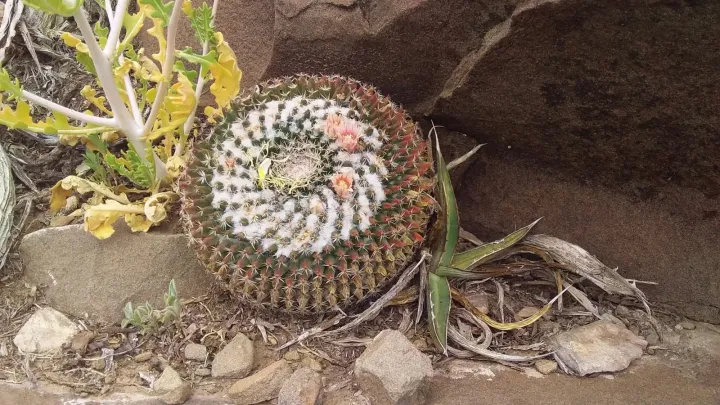
Description
Growing requirements
Mammillaria formosa is a distinguished member of the Cactaceae family, native to the diverse landscapes of Mexico. It is widely cultivated for its compact, globose shape and the symmetrical arrangement of its tubercles, making it a popular choice for succulent enthusiasts.
In terms of habitat and origin, this cactus typically grows in rocky, high-altitude regions. It thrives in well-drained, porous environments that mimic the calcareous soils of its native mountainous regions in North America.
The core requirement for successful growth is abundant sunlight. During the growing season, these plants need at least 6–8 hours of bright, indirect light daily to maintain their tight, robust structure and healthy spine development.
A specialized soil mix is essential for this culture. A recommended mixture consists of 40% coarse mineral substrate, 30% sandy loam, and 30% organic peat or leaf mold, ensuring rapid water evaporation and effective gas exchange for the root system.
Temperature control is vital for its biological cycle. During the growing period, it prefers temperatures between 20°C and 25°C. In winter, a resting period with temperatures dropping to 10–12°C is required to initiate flowering in the following season.
Main diseases and pests
Root rot is the most significant threat, often resulting from excessive moisture trapped in the soil. Once the roots decay, the infection quickly spreads to the main body, leading to total plant collapse.
Mealybugs are frequent pests that settle in the crevices between tubercles. Their white, woolly appearance makes them difficult to detect, but they can significantly stunt growth if left untreated.
Spider mites can infest the plant, particularly in hot and dry conditions. They suck the sap from the surface tissue, causing unsightly, permanent brown scabs on the cactus body.
Scale insects may attach to the stem, causing localized weakening and yellowing of the succulent tissue. Manual removal or appropriate systemic insecticide treatments are required to manage these infestations.
Proper ventilation is the best strategy against fungal threats. Ensuring that the cactus is kept in a well-aerated space prevents the buildup of humidity, which is the primary driver of most common diseases.