
Mammillaria evermanniana
Mammillaria evermanniana
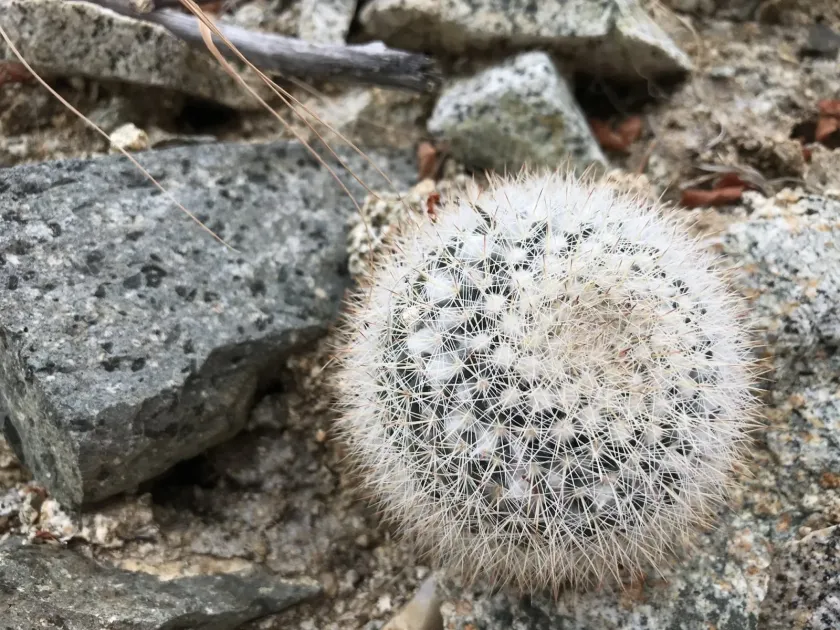
Description
Growing requirements
Mammillaria evermanniana belongs to the Cactaceae family. This perennial succulent plant is native to the arid regions of Mexico, specifically the Baja California Peninsula, where it thrives in rocky desert environments.
The culture has strict light requirements. To ensure healthy growth, the cactus needs direct, intense sunlight; when cultivated in greenhouse conditions, southern exposure is necessary to prevent etiolation and maintain plant vigor.
The planting substrate must provide excellent drainage and aeration. An ideal mixture consists of loam, leaf mold, and coarse sand or gravel in a 1:1:2 ratio, which is essential to prevent waterlogging and root rot.
During the active growing season, temperatures should range between +22°C and +28°C. A distinct winter dormancy period is required, where the plant should be kept in cool conditions at +10°C to +12°C to stimulate future flower bud formation.
Irrigation practices must be precise: water the plant only when the substrate has dried out completely. During the winter rest, irrigation should be strictly limited or withheld to ensure the plant remains in a dormant state.
Main diseases and pests
Root rot is the most significant threat to this species, primarily caused by overwatering or poor drainage in cool conditions. Using inorganic top dressing and a high-quality drainage layer is a key preventive measure.
Mealybugs are the most common pests, often settling in the axils between the tubercles where they are difficult to spot. Their presence is marked by white, cotton-like masses, which can weaken the plant significantly.
Spider mites may also infest the plant under conditions of poor air circulation and extremely low humidity. They damage the epidermis, leaving small pale spots and fine webbing on the surface of the cactus.
Effective management of these pests involves the use of systemic insecticides or miticides applied as a soil drench or direct spray during the active growth phase, ensuring careful application to avoid skin irritation.
Regular monitoring of the root crown is essential. Any signs of discoloration or softening indicate potential fungal decay, which necessitates immediate intervention, including re-potting and the removal of infected tissues.