
Mammillaria discolor
Mammillaria discolor
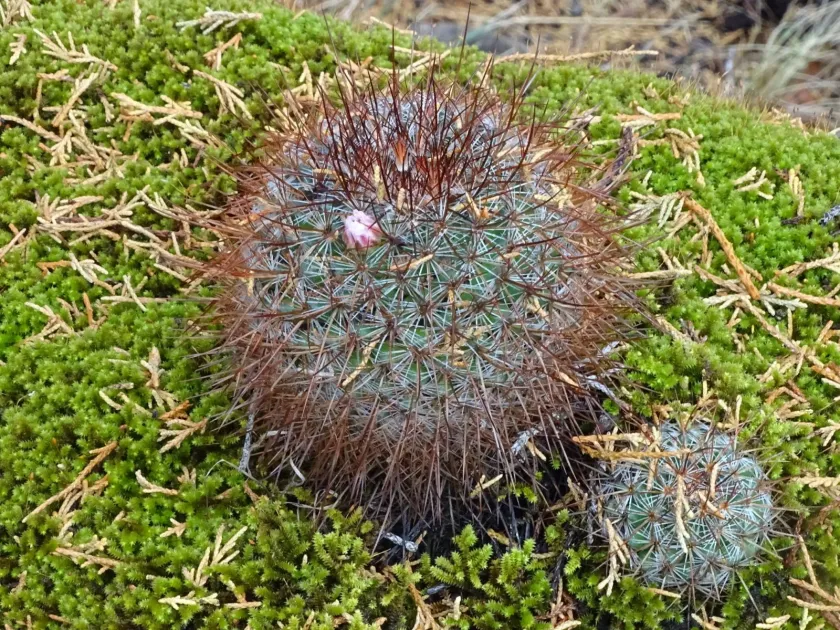
Description
Sowing dates
Seed propagation is the most reliable way to cultivate Mammillaria discolor. Seeds should be sown in early spring into a well-draining, fine-textured substrate to ensure optimal contact and moisture retention.
Surface sowing is recommended as these seeds require light to germinate effectively. The container should be covered with glass or plastic to maintain high humidity until the initial sprouts appear.
Once seedlings have sprouted, gradually introduce fresh air by lifting the cover to harden them off. This prevents damping-off, a common fungal issue that can quickly destroy young succulent seedlings.
Vegetative propagation using offsets is also a viable method for experienced growers. Offsets should be carefully twisted off the parent plant and left to callous in a dry area for several days.
After the cut surface has fully dried, the offset can be placed on top of dry substrate. Avoid deep planting to ensure the base remains aerated and protected from rot-inducing pathogens.
Growing requirements
Mammillaria discolor is a member of the Cactaceae family, native to the high-altitude regions of Mexico. It is characterized by its distinct spination and spherical to columnar growth habit.
Environmental requirements demand high light levels throughout the year. If grown indoors, a south-facing window is essential, though supplemental lighting may be necessary during winter months.
The substrate must be highly porous. A professional cactus mix, amended with extra pumice or coarse grit, is necessary to prevent water stagnation around the root system.
Watering practices are critical; the "soak and dry" method is standard for this species. During the summer growing season, water thoroughly, then allow the substrate to dry out completely before the next application.
Winter dormancy is mandatory for flowering. During this period, keep the plant in a cool, dry place (8–12 degrees Celsius) and withhold water almost entirely to mimic its natural environment.
Main diseases and pests
Red spider mites are the most persistent pest for this species. They thrive in hot, dry conditions and can cause significant damage to the epidermis of the plant if left unchecked.
Mealybugs are another common nuisance, often hiding in the dense woolly axils of the tubercles. Regular inspections of the growing point are necessary to catch infestations early.
Root rot is the primary physiological threat, usually caused by overwatering or soil that retains moisture for too long. Signs include a soft, mushy base and a change in tissue color.
To prevent disease, ensure adequate airflow around the plant. A small fan in the greenhouse or ventilated room can significantly reduce the risk of mold and fungal pathogen development.
In cases of severe infestation or decay, surgical removal of affected tissue followed by sulfur dusting may be required. However, prevention through proper soil and water management remains the best defense.