
Mammillaria densispina
Mammillaria densispina
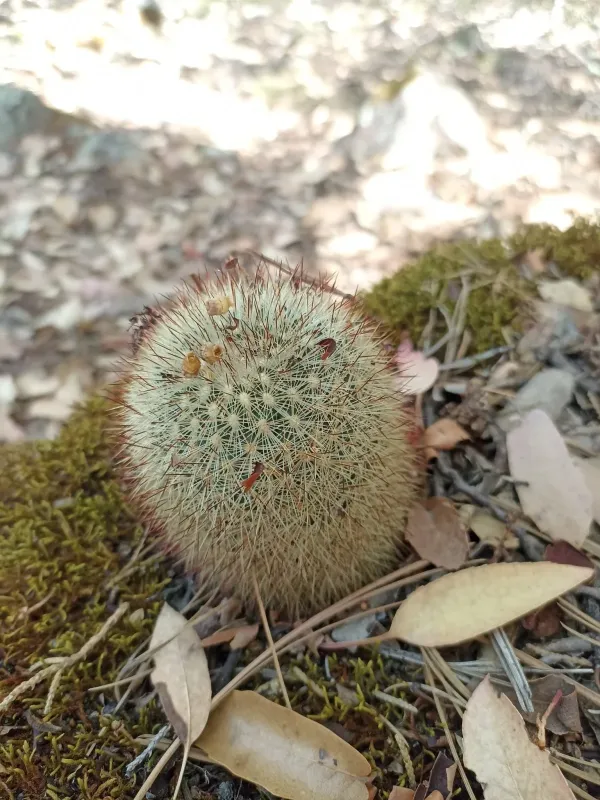
Description
Sowing dates
Propagation of Mammillaria densispina is typically performed through seeds or by separating offsets. Sowing should ideally occur in the spring, allowing seedlings to capitalize on the increasing photoperiod and intensity of sunlight.
A loose, well-draining substrate composed of sand, peat, and grit is essential for seed germination. Seeds are scattered across the dampened surface without being buried, and the container is covered to maintain consistent humidity.
Temperatures should be maintained between 20 and 25 degrees Celsius during the germination period. Regular ventilation is critical to prevent the development of mold or fungal spores within the covered seedling tray.
Seedlings should be pricked out and repotted once they are sufficiently robust and have developed their characteristic spines. Gradual exposure to standard environmental conditions is necessary to avoid stressing the young plants.
Vegetative propagation via offsets involves carefully detaching the offshoots and allowing the wound to callous for several days. Once dried, they should be planted in dry substrate to minimize the risk of bacterial or fungal infection at the base.
Growing requirements
Mammillaria densispina is a member of the Cactaceae family, naturally occurring in the arid mountain regions of Mexico. This plant is highly photophilous and requires significant amounts of direct sunlight to maintain a compact shape and dense spine structure.
The ideal soil mix must be highly porous to ensure rapid drainage. A standard cactus substrate enriched with pumice, perlite, or volcanic rock is recommended to prevent water retention around the root collar.
Watering practices should be conservative, following the soak-and-dry method during the growing season. In winter, the plant enters dormancy, requiring a dry environment and cool temperatures (10–12 degrees Celsius) to prepare for the spring growth flush.
Low atmospheric humidity is preferred, as high levels can encourage rot. Adequate airflow is vital, especially in indoor environments where air circulation can be limited, preventing the stagnation of moisture around the stem.
Fertilization should be limited to the active growing season, utilizing low-nitrogen fertilizers specifically formulated for cacti. Excessive nitrogen can cause rapid, succulent growth that is weak and susceptible to physical damage and pests.
Main diseases and pests
Root rot is the most significant threat to the health of Mammillaria densispina, usually resulting from overwatering or inadequate soil drainage. If rot is suspected, immediate action to inspect and clean the root system is required.
Common pests include the mealybug, which often hides deep within the axils of the tubercles. Regular inspections are necessary to detect these pests early, allowing for mechanical removal or treatment with appropriate insecticides.
Spider mites can also be a problematic pest in dry, hot conditions. They cause characteristic damage by piercing the epidermis, leading to discolored, scarred spots on the stem that do not disappear with time.
Etiolation, or stretching, is a common issue caused by insufficient light levels. This condition irreversibly alters the plant's aesthetic and weakens its structural integrity, making it more vulnerable to other pathogens.
Preventative measures involve strictly adhering to seasonal watering requirements and ensuring the plant receives as much natural light as possible. A healthy, well-lit specimen is naturally more resistant to environmental stressors.