
Mammillaria deherdtiana
Mammillaria deherdtiana
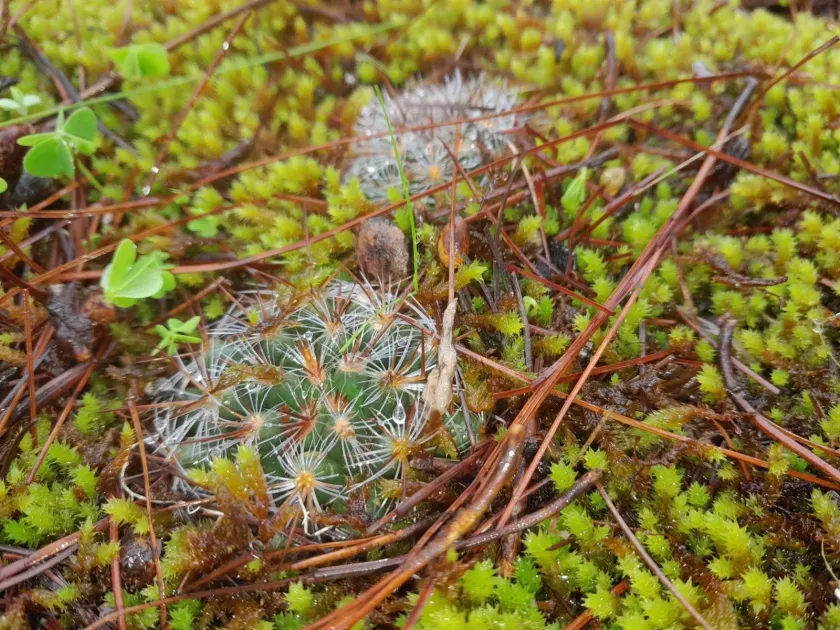
Description
Sowing dates
The propagation of Mammillaria deherdtiana is best achieved through seeds, which should be sown during the early spring months. This timing allows the seedlings to establish a strong root system before the onset of the colder winter season.
A well-draining, mineral-based soil mix is critical for successful germination. Using a combination of fine gravel, perlite, and a small amount of peat moss creates the necessary environment for the seeds to develop without rotting.
The seeds should be sown on the surface and lightly covered with a thin layer of sand. Keeping the soil consistently moist but not waterlogged in a controlled greenhouse environment is essential until the first spines appear.
Once the seedlings have reached a sufficient size, they should be transplanted into individual pots. Careful handling is required to protect the sensitive roots, which are prone to damage during the early stages of development.
Using sterilized soil during the sowing process is highly recommended to prevent damping-off disease. This simple preventive step ensures that the fragile young cacti have the best chance to reach maturity.
Growing requirements
Mammillaria deherdtiana requires bright, indirect light to maintain its compact growth form. Intense direct sunlight during the peak of summer can cause epidermis sunburn, so partial shading is often advised.
The substrate must be highly porous with excellent drainage capabilities. A mixture containing pumice, coarse sand, and a small fraction of loam is ideal for providing the necessary aeration and preventing water accumulation.
Temperature management is crucial; these cacti thrive in temperate conditions during the day and cooler nights. During the winter dormancy period, temperatures should be dropped to encourage future blooming.
Watering should be performed only when the soil has completely dried out. The "soak and dry" method is standard, ensuring that water reaches the roots without accumulating around the base of the stem.
Fertilization should be kept to a minimum, using a low-nitrogen, high-potassium formula during the growing season. Excessive feeding leads to abnormal, soft growth which makes the plant susceptible to pests.
Main diseases and pests
Root rot is the most common health issue caused by overwatering or poor soil drainage. When the roots fail to receive enough oxygen, pathogens quickly compromise the structural integrity of the plant base.
Spider mites represent a significant pest threat, especially in low-humidity environments. They can cause localized damage to the epidermis, which often looks like discoloration or thin webbing around the spines.
Mealybugs are another common pest that tends to hide in the dense spine clusters of this species. Early detection and treatment with insecticidal soap are essential to prevent a full-scale infestation on the collection.
Fungal infections can also occur if air circulation is insufficient. Ensuring proper ventilation around the plants helps to reduce humidity levels and limits the growth of mold and mildew on the plant body.
- Regular inspection of the plant's apex.
- Ensuring proper air ventilation.
- Keeping the surface of the soil dry.
- Prompt isolation of infested specimens.