
Mammillaria decipiens
Mammillaria decipiens
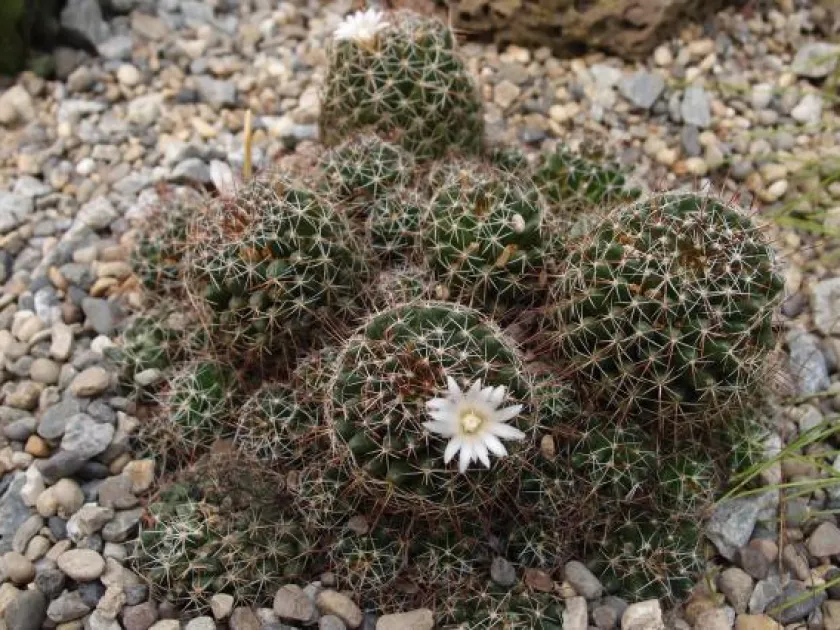
Description
Sowing dates
Mammillaria decipiens is a species belonging to the Cactaceae family, known for its unique structural features and aesthetic appeal. Propagation is primarily achieved through seeds sown during the spring season.
The seeds require a well-draining, sandy-based substrate that has been sterilized to prevent damping-off. A warm, controlled environment is essential for successful germination of the small seeds.
Upon germination, seedlings require a gradual transition to direct sunlight. Protecting them from intense midday heat during their first few months of life is critical for healthy development.
Vegetative propagation is also feasible for established clusters by carefully removing offshoots. This method allows for a faster maturation period compared to growing from seeds.
Proper sanitation of tools and pots before sowing ensures the reduction of potential fungal spores, which is a vital practice for every cactus nursery.
Growing requirements
Originating from Mexico, Mammillaria decipiens thrives in rocky, arid habitats. It requires a sunny location with plenty of indirect light to prevent the plant from becoming etiolated.
The soil must be highly porous. A mixture consisting of coarse sand, perlite, and a small amount of potting soil is ideal for maintaining the necessary root aeration.
Watering should be sparse, following a "soak and dry" method. It is imperative that the soil medium completely dries out before the next irrigation cycle begins during the growing season.
During the winter dormancy period, the plant requires significantly less water and cooler temperatures to maintain metabolic balance and prepare for potential spring blooming.
Botanically, the plant is characterized by its tubercles arranged in spirals. These tubercles provide a structural mechanism to handle water storage, making the plant highly drought-tolerant.
Main diseases and pests
Root rot remains the most significant threat to the survival of this species. Excess humidity and inadequate soil drainage are the primary causes of pathogen growth and root decay.
Spider mites are common pests that feed on the surface tissue of the cactus. Their presence is often marked by discoloration and fine webbing, which requires immediate treatment.
Mealybugs can infest the areas between the tubercles, hiding from standard visual inspection. Regular monitoring and use of systemic insecticides are standard control protocols.
Fungal pathogens may also attack the epidermis if the plant is wounded. Keeping the plant dry after any maintenance or trimming prevents these issues from escalating into systemic infections.
Environmental stress, such as sudden shifts in temperature or humidity, can also make the plant prone to opportunistic pests, highlighting the need for stable growth conditions.