
Mammillaria crucigera
Mammillaria crucigera
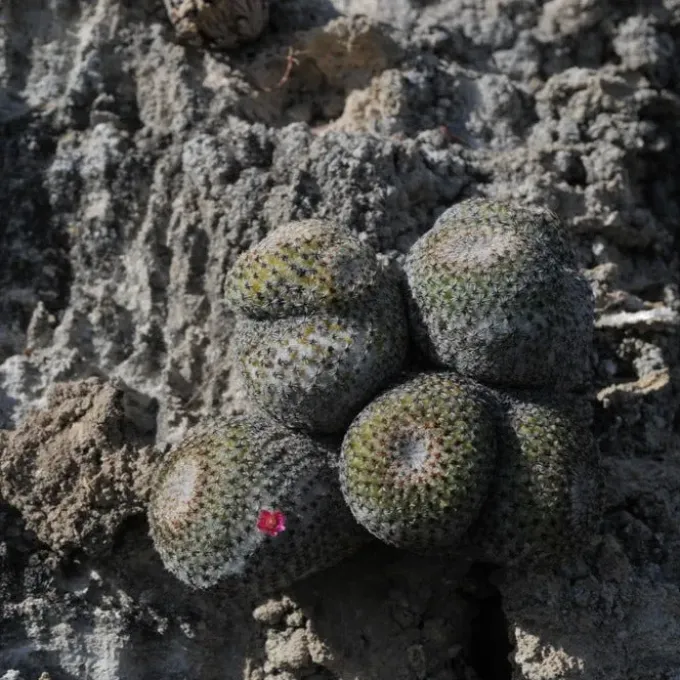
Description
Sowing dates
Mammillaria crucigera is typically propagated from seeds sown in sterile, well-draining substrate. The best time for sowing is early spring, when daylight hours start to extend and temperatures remain stable.
Optimal germination requires temperatures between 20°C and 25°C. Seeds should be placed on the surface of the soil and lightly covered with a thin layer of sand to maintain moisture while ensuring airflow.
Bottom heat is highly recommended to stimulate faster germination and healthier seedling development. Keeping the humidity high inside a small propagation chamber until the first spines appear is essential.
Once the seedlings are large enough to handle, they should be transplanted into individual small pots. Regular repotting during the early years encourages vigorous growth and robust root structure.
Vegetative propagation via offsets is also possible for mature specimens. Carefully detaching lateral shoots and allowing the wound to dry for several days before planting is the standard procedure.
Growing requirements
Belonging to the Cactaceae family, this species originates from arid regions in Mexico. It thrives in conditions that mimic its natural habitat, requiring high light intensity to maintain its characteristic compact shape.
A mineral-rich, porous soil mix is vital. A combination of coarse sand, perlite, and decomposed granite ensures the rapid drainage necessary to prevent water stagnation in the root zone.
Irrigation should be careful and infrequent, focusing on deep soaking only after the substrate has completely dried out. During the winter dormancy period, the plant requires a cool, dry environment.
The plant prefers low humidity and excellent air circulation. Good ventilation is crucial to prevent the development of physiological disorders and fungal infections in greenhouse or home environments.
Temperature fluctuations are generally well-tolerated. Keeping the plants in a well-ventilated area helps strengthen their epidermis and makes them more resilient against environmental stress.
Main diseases and pests
Root and stem rot remain the primary threats to Mammillaria crucigera. These issues are almost exclusively caused by overwatering or soil mixes that hold moisture for too long.
Common pests include mealybugs and spider mites, which can easily hide in the dense spines. They extract sap from the plant, weakening its growth and leaving it susceptible to secondary infections.
Preventative care involves regular inspections and maintaining clean growing conditions. Sterilizing all pots and tools before use effectively minimizes the risk of introducing pathogens.
If an infestation occurs, targeted use of acaricides or systemic insecticides is recommended. It is important to avoid over-application, as delicate succulents can react negatively to harsh chemicals.
Any mechanical damage to the plant tissue should be treated immediately with sulfur powder or activated charcoal. Preventing the entry of bacteria through open wounds is critical for long-term health.