
Mammillaria crinita
Mammillaria crinita
Description
Sowing dates
Propagation of Mammillaria crinita is primarily achieved through seeds or by separating offsets from the mother plant. Spring is the optimal time for sowing seeds, as increasing daylight hours and warming temperatures promote germination and vigorous early growth.
A well-draining, sterilized sandy substrate is essential to prevent fungal infections. Seeds should be sown on the surface of the soil and kept under glass or plastic to maintain high humidity levels during the germination phase.
Maintaining a temperature range between 20–25 degrees Celsius is crucial for successful seed development. It is vital to provide regular, brief periods of ventilation to ensure air exchange and reduce the risk of dampening-off disease.
Seedlings should be pricked out into individual small containers once they are large enough to handle and have developed their first set of spines. This ensures that each plant has adequate space to develop a strong root system.
Vegetative propagation involves carefully removing an offset from the main plant. Allow the wound to callous for several days in a dry, shaded area before placing the offset into a slightly moist cactus mix to encourage new root formation.
Growing requirements
As a member of the Cactaceae family, Mammillaria crinita is native to the arid regions of Mexico. This plant thrives in bright, indirect sunlight and should ideally be placed in a location where it receives several hours of light each day.
A specialized potting mix for cacti is required, characterized by a high percentage of inorganic materials like pumice, perlite, and coarse sand. This composition ensures that water drains rapidly, mimicking the natural rocky habitat of the species.
Watering requirements follow a strict seasonal cycle: moderate moisture during the active growing season and a dry rest period during winter. During the dormant stage, the plant should be kept cool and almost entirely dry to prevent rot.
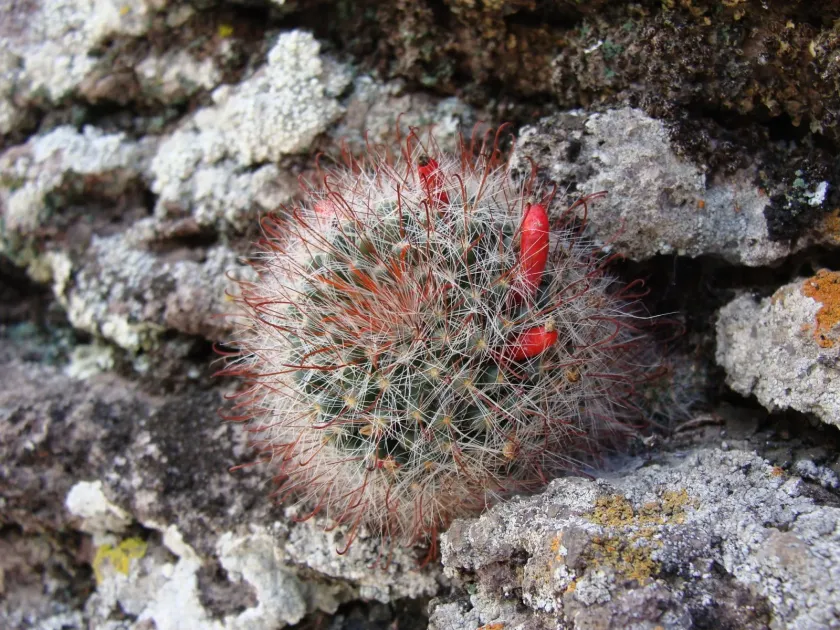
The plant features a distinct globular shape and is adorned with delicate spines that give it a fuzzy appearance. During the flowering season, it produces beautiful, small blossoms, typically in shades of pink or white, creating a wreath effect.
Effective drainage is the cornerstone of successful cactus cultivation. Always ensure that the pots have sufficient holes at the bottom and never allow the plant to sit in standing water, as this is the most common cause of root death.
Main diseases and pests
Mealybugs are the most common pests found on Mammillaria crinita, often hiding deep within the spines. They feed on the sap and can significantly weaken the cactus if left untreated, requiring prompt intervention.
Overwatering, especially in poor lighting conditions, significantly increases the risk of root rot and stem decay. These fungal issues are difficult to treat once they progress, so preventative care is always the best strategy.
Systemic insecticides are effective for controlling pest infestations. When applying treatments, ensure the solution reaches the hidden areas of the cactus, but be careful not to oversaturate the soil in the process.
Maintaining a clean, dry environment is the best way to prevent fungal infections. Providing adequate airflow and avoiding wetting the stem directly during watering can help keep the plant healthy throughout the year.
If rot is detected, immediate action is required. Cut away all affected tissue using a sterile blade, dust the remaining healthy part with sulfur or activated charcoal, and let it dry completely before re-potting in fresh, dry soil.