
Mammillaria compressa
Mammillaria compressa
Description
Growing requirements
Mammillaria compressa is a perennial succulent species belonging to the Cactaceae family. Native to the central regions of Mexico, this cactus is well-adapted to rocky, arid landscapes and limestone outcrops, making it a hardy plant in its natural environment.
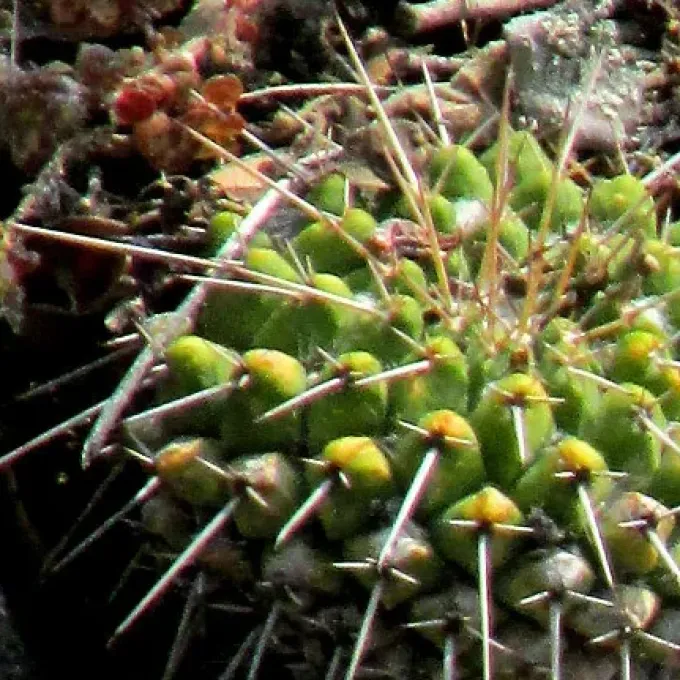
The plant is characterized by its clumping habit, forming dense mounds of cylindrical stems. Each stem is covered in well-defined tubercles with central spines, providing an efficient structural barrier against environmental stressors and potential herbivores in the wild.
Agronomic success requires high light intensity, as this species is heliophilic. In a controlled environment or greenhouse, it should be placed in the brightest available location to maintain its natural growth pattern and the density of its spine coverage.
The substrate must be highly inorganic and free-draining to prevent water accumulation near the root collar. A mixture of pumice, coarse sand, and a small amount of grit is ideal, as it ensures rapid evaporation of moisture after irrigation cycles.
Climatic requirements involve a strict dry-rest period during the winter months. During this phase, the temperature should be maintained between 10 and 12 degrees Celsius with minimal watering to mimic the seasonal drought conditions of the species' native Mexican habitat.
Main diseases and pests
Fungal rot represents the primary agricultural threat to Mammillaria compressa, usually induced by poor ventilation or excessively moist soil conditions. The lack of air circulation around the dense clumping stems creates a microclimate conducive to pathogenic decay.
Mealybugs are the most persistent pests for this variety, as they inhabit the deep crevices between the tubercles, often remaining undetected until the infestation is advanced. Their feeding can cause localized necrosis on the stem surface, which then becomes a site for infection.
Spider mites frequently attack the plant in low-humidity environments, especially during early spring when new growth emerges. These pests feed on the succulent tissues, leading to permanent disfigurement and reduced vigor of the individual cactus stems.
Disease management strategies rely on integrated pest management (IPM), including the use of systemic insecticides and proper quarantine protocols for new plants. Maintaining cleanliness in the growing area is crucial for minimizing the risk of fungal spores spreading between pots.
Regular monitoring of the root system during repotting is an essential agronomic practice. Any damaged or discolored roots should be trimmed using sanitized tools to ensure the health of the plant and to allow for proper regeneration in fresh, dry soil.