
Mammillaria columbiana
Mammillaria columbiana
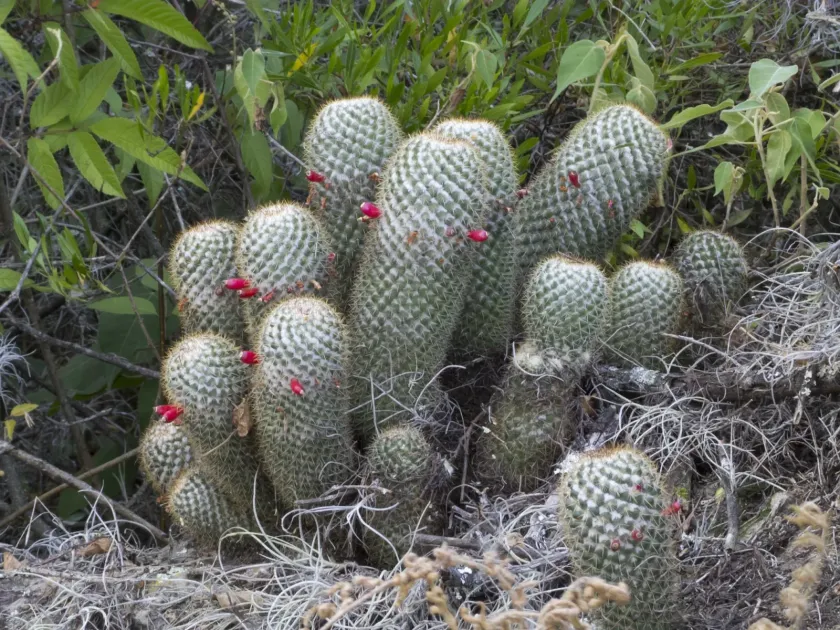
Description
Sowing dates
The propagation of Mammillaria columbiana from seeds is typically initiated in early spring to take advantage of increasing daylight hours.
Seeds should be sown in a sterile, well-draining substrate composed primarily of fine sand and perlite to prevent fungal infections.
Place the seeds on the surface of the moist medium and lightly press them down without covering them, as they require light for germination.
Cover the container with a transparent lid or plastic wrap to maintain high humidity levels at a temperature range of 20 to 25 degrees Celsius.
Once seedlings emerge, gradually remove the cover to increase ventilation and help the young plants adapt to the standard growing environment.
Growing requirements
Mammillaria columbiana is a member of the Cactaceae family, natively distributed across the mountainous regions of Colombia and neighboring areas.
This species demands abundant bright sunlight to maintain its compact growth form and to encourage healthy spine development throughout the season.
A specialized cactus mix with excellent drainage is crucial, as the roots are highly susceptible to rot if kept in continuously damp conditions.
Watering should be deep but infrequent, allowing the soil to dry out completely between sessions to mimic the natural arid habitat of the plant.
During the dormant winter season, it is essential to keep the cactus in a cool and dry location to simulate natural environmental stress.
Main diseases and pests
Root rot, caused by overwatering or poor drainage, is the primary threat to the health and longevity of this Mammillaria species.
Mealybugs are common pests that tend to hide in the axils between the tubercles, often requiring manual removal or targeted insecticidal treatment.
Spider mites can also cause damage to the skin of the cactus, appearing as dusty discolored patches if the surrounding air is too dry for too long.
Preventive measures include regular inspection of the plant's surface and ensuring good airflow to discourage the colonization of various pests.
In case of severe infestation, using systemic insecticides or neem oil solutions can help eliminate pests without damaging the sensitive cactus tissue.