
Mammillaria carnea
Mammillaria carnea
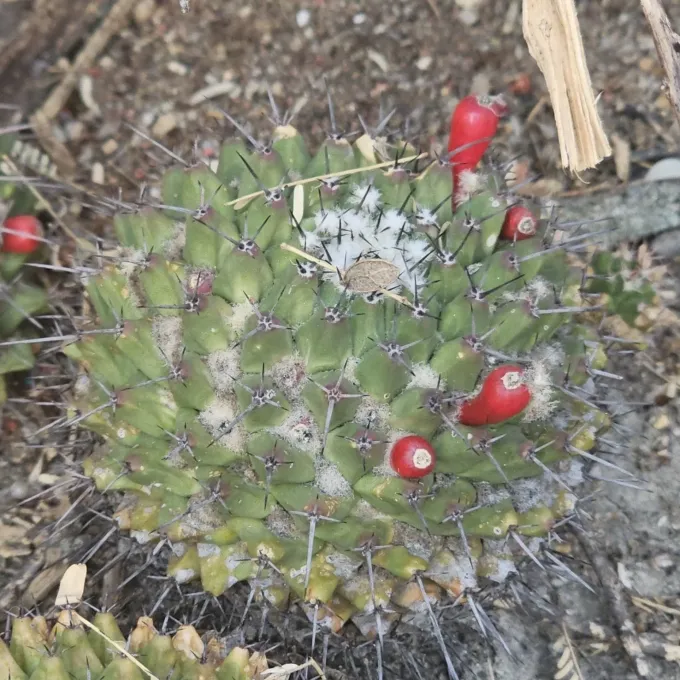
Description
Sowing dates
Propagation of Mammillaria carnea is primarily conducted through seeds, which should be sown during the early spring to maximize the length of the growing season. Using fresh seeds significantly increases the germination rate under controlled greenhouse conditions.
The substrate for sowing must be highly porous and sterile. A mixture of fine-grained pumice, perlite, and a small amount of peat moss provides the necessary aeration and moisture-holding capacity for delicate cactus seedlings.
Seeds are scattered over the leveled substrate and lightly covered with a thin layer of sand. Keeping the container covered with plastic or glass maintains the humidity needed for development until the seeds germinate.
Maintaining a temperature range between 20°C and 25°C is essential for successful seedling establishment. Proper ventilation is required once the seedlings emerge to prevent the development of damping-off disease.
Once the seedlings reach a sufficient size (usually after several months of growth), they are transplanted into individual pots. Careful handling is necessary to avoid damaging the initial root hairs and the fragile stem structure.
Growing requirements
Mammillaria carnea belongs to the Cactaceae family, native to the arid regions of Mexico. It is a heliophilic species, meaning it requires intense sunlight to maintain its characteristic compact shape and dense spine development throughout the year.
Soil requirements for this cactus focus on excellent drainage. A commercial cactus mix enhanced with additional grit, coarse sand, or crushed volcanic rock ensures that water drains rapidly, preventing stagnation at the root zone.
Watering should be deep but infrequent. The plant must be allowed to dry out completely between waterings. Overwatering is the most common cause of failure in cultivating this species, as it leads directly to tissue decay.
During the winter months, the plant enters a period of dormancy. Reducing water to nearly zero and keeping the plant in a cool, well-ventilated location (10-15°C) will stimulate healthy blooming during the upcoming spring season.
The plant is valued for its globose to cylindrical form and its beautiful pinkish or cream-colored flowers that grow in a ring around the top of the cactus stem, adding significant aesthetic value to any botanical collection.
Main diseases and pests
The most frequent pests affecting Mammillaria carnea are spider mites and mealybugs. These organisms thrive in dry, stagnant conditions, hiding within the spines and feeding on the succulent tissues of the cactus body.
Root and stem rot are the primary threats to the plant's health. These fungal issues are almost always the result of improper irrigation practices or poor soil drainage, leading to the rapid softening and collapse of the plant.
Control of pests requires the use of specialized systemic insecticides or horticultural oils. Regular inspection of the plant's surface is necessary to catch potential infestations before they spread to the entire collection.
Prophylaxis involves maintaining a clean growing environment and ensuring that the plant receives enough airflow. Removing dust and debris from the stem can also reduce the chances of colonization by insects.
If fungal decay is detected, the affected area must be cut away with a sterilized blade. After treatment, the plant should be repotted in fresh, dry soil and kept away from direct watering until the wound has completely calloused.