
Mammillaria candida
Mammillaria candida
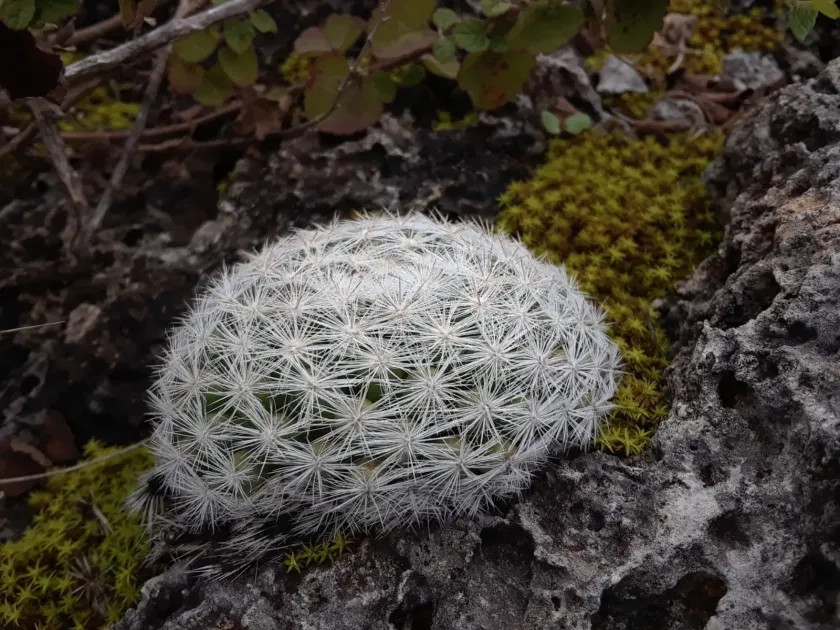
Description
Sowing dates
Propagation by seeds is the most effective method for this culture, typically performed in early spring. The seeds are placed on a moist, sterile mineral substrate to prevent fungal infections during the sensitive germination phase.
Maintaining a stable temperature around 23 degrees Celsius is crucial for consistent success. The germination tray should be covered with a transparent film to ensure high local humidity while allowing filtered light to reach the substrate.
Gradual acclimatization of the seedlings to ambient humidity levels begins once the germination process is complete. Proper ventilation is essential at this stage to build resilience in the young stems.
The first transplanting occurs when the seedlings develop their primary spines and show signs of vigorous growth. A nutrient-poor, highly porous mix is recommended to encourage a healthy and robust root system.
Vegetative propagation via offsets is also possible. These should be removed carefully, dried for several days until a callus forms, and then placed into a dry cactus-specific substrate to begin rooting.
Growing requirements
Mammillaria candida belongs to the Cactaceae family and is native to the arid landscapes of central Mexico. It is botanically characterized by its globular shape and dense, white radial spines that give the plant a snowy, metallic appearance.
This species requires full, direct sun exposure to maintain its characteristic density and compact shape. In indoor environments, placing the plant on a sunny windowsill is necessary to prevent etiolation.
The soil requirement is very specific: it must be a gritty, fast-draining mix. A blend of pumice, perlite, and coarse sand with minimal organic matter is ideal for ensuring proper aeration around the roots.
During the growing season, watering should be thorough but infrequent, allowing the substrate to dry out completely between sessions. Excessive moisture is the primary enemy of this species, leading to structural instability.
A distinct winter dormancy period is required for the plant to thrive. It should be kept in a cool, dry location with temperatures between 10 and 15 degrees Celsius, with watering restricted to prevent stress.
Main diseases and pests
Root rot is the most frequent agronomic threat, primarily caused by waterlogged soil conditions. Prompt identification of yellowing or soft tissue at the base is essential to save the plant through emergency repotting.
Mealybugs are common pests that hide within the dense spine structure, making them difficult to detect. Regular inspection of the plant's surface is necessary to catch infestations before they spread.
Spider mites can also attack the plant during hot, dry summer months, causing unsightly damage to the epidermal tissue. Using systemic miticides is recommended to clear the infection effectively.
Fungal infections, such as stem spots, occur when ventilation is poor or humidity levels remain high for extended periods. Proper airflow is the best preventative measure against these threats.
- Use of gravel top-dressing to keep the stem base dry
- Regular sanitation of pruning tools
- Monitoring of humidity levels during autumn
- Strategic placement for maximum light penetration