
Mammillaria brandegeei
Mammillaria brandegeei
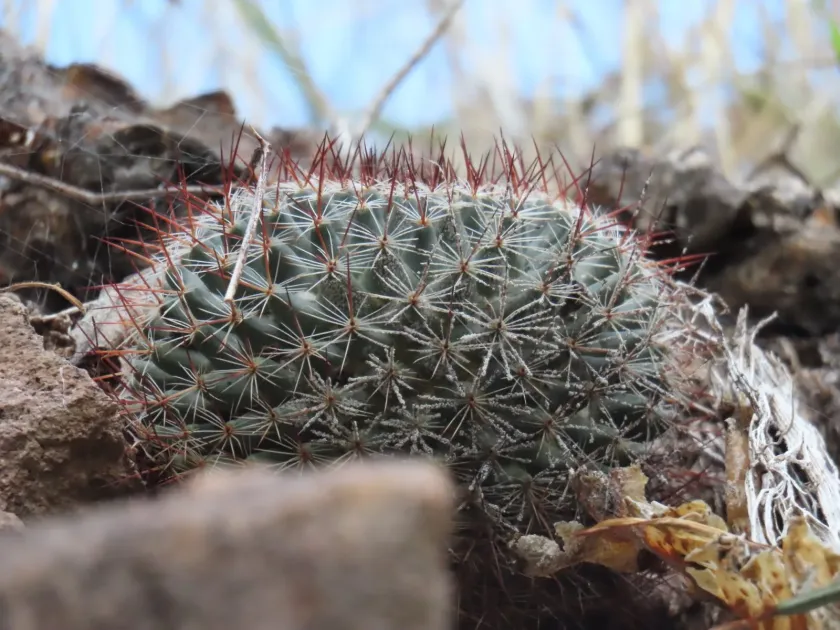
Description
Sowing dates
Propagation of Mammillaria brandegeei is primarily achieved through seeds. The sowing process should begin in early spring to leverage increasing daylight hours, which promotes robust seedling development.
Seeds are placed on a well-draining, sterile mineral substrate. A light dusting of sand over the seeds helps maintain position and humidity levels during the germination phase in a controlled environment.
Consistency is key during the first weeks; the soil should remain slightly damp, but not waterlogged. A propagation tray with a transparent cover is ideal for creating the necessary microclimate for germination.
Once the seedlings develop their first true spines, they can be gradually acclimated to lower humidity. This hardening-off process is vital for ensuring the long-term survival of the young plants.
Transplanting into individual pots should be handled with extreme care to avoid damaging the delicate root system. Using a mixture with significant perlite or pumice content ensures long-term viability.
Growing requirements
Mammillaria brandegeei belongs to the Cactaceae family, native to the Baja California Peninsula. It is highly specialized for arid desert environments characterized by poor, rocky soils and high solar intensity.
The plant requires full, bright sun exposure to maintain its compact shape and healthy spine production. In indoor environments, placing the cactus near a south-facing window is highly recommended.
Soil composition must be inorganic and porous. A standard cactus mix fortified with extra drainage components like volcanic rock or coarse grit is essential to prevent water accumulation near the base.
Watering practices follow a strict seasonal cycle. During the growing season, water thoroughly but infrequently, allowing the substrate to dry out completely before providing the next deep irrigation.
Temperature control during the dormant winter period is crucial for flower initiation. Maintaining a cool, dry environment between 8 and 12 degrees Celsius helps the plant prepare for the next flowering season.
Main diseases and pests
Root rot is the most common fatal condition for this species, usually caused by improper drainage or excessive watering during cold temperatures. Prevention is centered on strict moisture control.
Mealybugs are the primary pest concern for this cactus. These pests hide deep within the axils of the tubercles, making them difficult to detect until the plant's growth begins to noticeably decline.
Red spider mites represent another significant threat, particularly in dry and poorly ventilated spaces. These mites create microscopic punctures on the skin, leaving permanent scars on the cactus.
Systemic insecticides or manual removal with alcohol-soaked swabs are common control measures for pest infestations. Maintaining clean equipment and inspecting new additions to the collection is highly advised.
- Root rot
- Mealybugs
- Spider mites
- Fungal stem infections