
Mammillaria bombycina
Mammillaria bombycina
Description
Sowing dates
Propagation of Mammillaria bombycina via seeds requires strict adherence to temperature regimes, with spring being the optimal time for sowing. Seeds should be sown in a light, well-draining substrate composed of a mixture of sand and peat.
For successful germination, containers with seeds should be covered with glass or film to create a mini-greenhouse effect with high humidity. It is essential to maintain a stable temperature range of 20–25 degrees Celsius.
The first seedlings appear in 2–3 weeks, after which the cover is gradually removed to adapt the seedlings to room humidity. Pricking out young plants should only be performed once they have become strong enough and have formed their first spines.
Regular ventilation of the seedlings helps avoid the development of pathogenic microflora, such as mold, which is detrimental to young cacti. Lighting at this stage should be diffuse but sufficiently intense.
Mammillaria bombycina increases its vegetative mass slowly, so accelerating growth with aggressive fertilizers is not recommended. It is important to ensure the gradual and steady development of the cactus root system.
Growing requirements
This plant belongs to the Cactaceae family and naturally grows in the mountainous regions of Mexico, which dictates its high light requirements. The cactus needs maximum bright sunlight throughout the entire day.
The culture is undemanding regarding soil composition but critically requires excellent permeability for water and air. Specialized ready-to-use cactus mixes with the addition of coarse sand or small gravel are ideal.
During the active growth phase, watering should be moderate, performed only when the soil clod has dried out completely. In winter, the plant enters a rest period and requires dry storage at a lower temperature of about 10–12 degrees.
Mammillaria is extremely sensitive to water stagnation at the roots, so a drainage layer at the bottom of the pot is a mandatory agronomic requirement. Over-wetting the substrate often leads to stem rot.
Optimal humidity for this species is low, typical for arid regions. The plant tolerates temperature fluctuations well but does not withstand cold drafts when the soil is wet.
Yield
Economic use of this culture is limited to breeding and collectible floriculture, where the final product consists of mature decorative specimens. Yield in this context is measured by the number of plants suitable for sale or propagation.
With proper agronomy, Mammillaria is capable of abundant annual flowering, forming a characteristic wreath of bright pink or carmine flowers. This increases the aesthetic value of the specimen for the decorative plant market.
The fruits of the plant are small berries containing seeds that can be used for further reproduction of the species. In mass production, seeds are a valuable resource.
Optimizing lighting and watering regimes can shorten the time required to produce a marketable cactus by several months. Caring for mother plants allows for obtaining high-quality offspring each season.
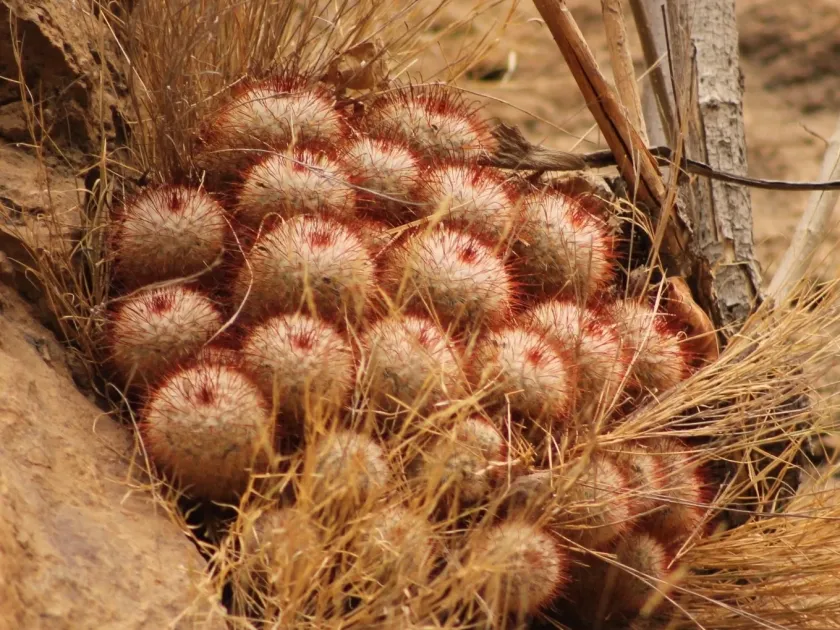
The decorative potential of the bombycina cultivar is due to its dense silvery pubescence, making it a sought-after object for private collections and sales within interior phytocompositions.
Main diseases and pests
The main enemy of Mammillaria, in case of poor agricultural practice, is various types of rot caused by substrate over-wetting. Fungal infections quickly affect internal tissues, making the plant's recovery nearly impossible.
Among pests, the spider mite poses the greatest danger, as it sucks sap from young tissues in low-humidity conditions. It leaves characteristic spots on the cactus epidermis.
Root mealybugs often attack cacti, inhabiting the soil and damaging roots, leading to stunted growth and stem deformation. Systemic insecticides are used to treat the soil to combat them.
Scale insects and mealybugs can settle on the stem, hiding between dense spines, which complicates detection at early stages. Regular inspection of plants for timely treatment is necessary.
Preventive measures include quarantining new specimens and maintaining cleanliness in the cultivation area. Using high-quality substrates and controlling watering regimes significantly reduce the risk of major diseases.