
Mammillaria boelderliana
Mammillaria boelderliana
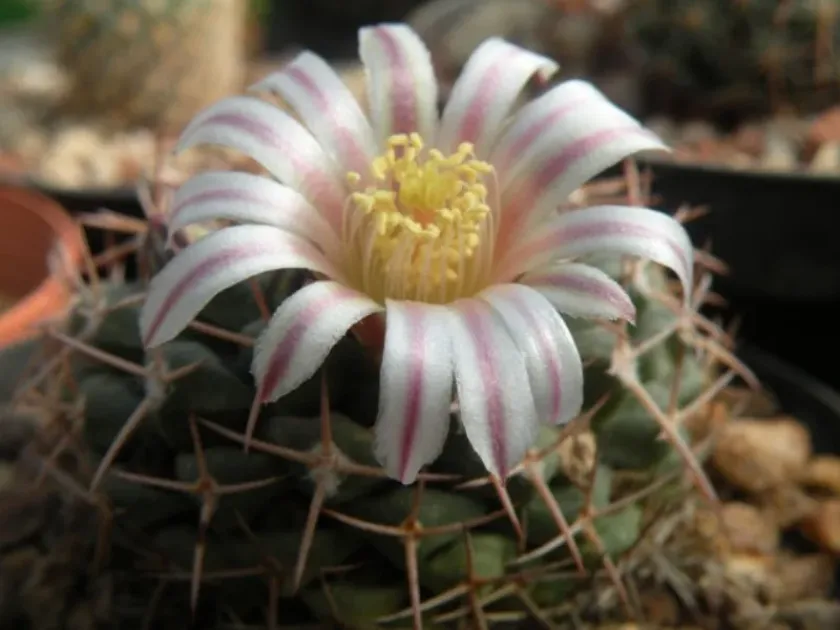
Description
Growing requirements
Mammillaria boelderliana is a distinct species belonging to the Cactaceae family. Native to the arid landscapes of Mexico, this succulent has evolved to thrive in high-heat and low-water environments typical of desert ecosystems.
The plant exhibits a characteristic globular growth habit, with well-defined tubercles covered in radial spines. Its biological structure allows for significant water storage within the fleshy stem, enabling survival through prolonged drought periods.
For optimal growth, this cactus requires intense, direct sunlight, especially during the spring and summer months. Maintaining proper light exposure is essential for preserving the plant's structural integrity and promoting vibrant spine coloration.
The growth medium must prioritize drainage over nutritional content. A specialized cactus mix incorporating coarse sand, pumice, or perlite is mandatory to prevent root asphyxiation and maintain an ideal moisture-to-air balance.
Environmental management involves seasonal cycles of irrigation. During the peak growing season, water thoroughly when the substrate is dry, while winter care requires a dormant state in cool, dry conditions to trigger blooming.
Main diseases and pests
Root rot is the most critical threat to the longevity of Mammillaria boelderliana. Excessive moisture in the potting medium often encourages fungal growth, which rapidly decays the root system and the base of the stem.
Mealybugs are frequent pests that infest the tubercles of the cactus. These sap-sucking insects produce a white, waxy secretion that protects them from external contact, necessitating the use of systemic insecticides for control.
Spider mites can also cause significant damage during periods of extreme heat or dry air. These microscopic pests puncture the skin of the cactus, leading to localized scabbing and permanent disfigurement of the plant's surface.
Root aphids pose a hidden danger, as they feed on the subterranean parts of the plant. Their presence often goes unnoticed until the plant loses its stability or shows signs of chronic nutrient deficiency.
Integrated pest management, including regular inspection and maintaining good airflow, is essential. When chemical treatments are required, always apply them during the cooler hours of the day to prevent chemical-induced epidermal burns.