
Mammillaria bocensis
Mammillaria bocensis
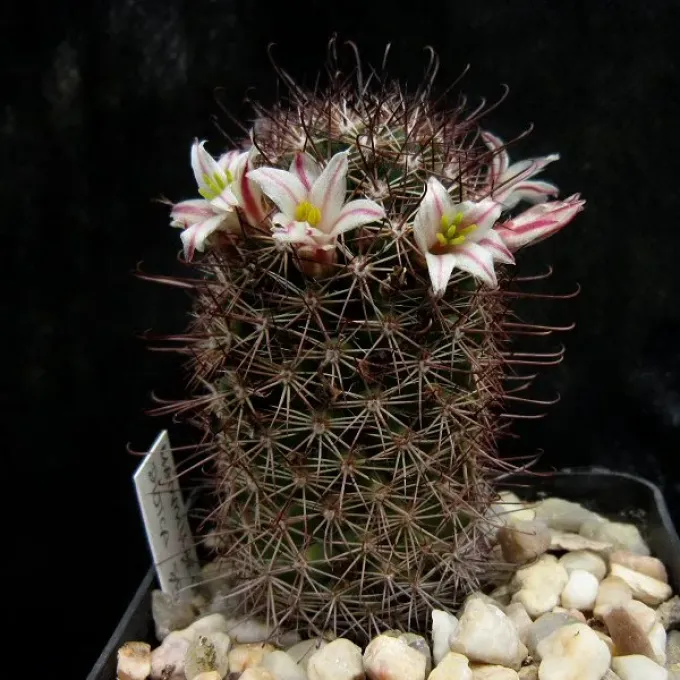
Description
Sowing dates
Propagating this culture in controlled environments is typically achieved through seed sowing. The optimal period for sowing is early spring when daylight hours begin to increase significantly, providing the seedlings with the necessary energy for growth.
Seeds are sown in a light, well-draining substrate composed primarily of sand and peat. After sowing, the soil surface is lightly misted and covered with a transparent film to create a mini-greenhouse effect, maintaining high humidity.
Germination occurs unevenly, usually within 2 to 4 weeks, provided a stable temperature range of 20–25 degrees Celsius is maintained. It is crucial to prevent direct sunlight from hitting the young seedlings to avoid overheating.
Once the young cacti have matured and reached the size of a small pea, they should be carefully pricked out into individual containers. This promotes better development of the root system and prevents the spread of fungal infections among dense groups.
Further development of the culture requires gradual acclimation to lower humidity conditions characteristic of adult specimens of this Cactaceae family member.
Growing requirements
Mammillaria bocensis is a succulent from the Cactaceae family, native to the arid regions of Mexico. The plant features a distinctive cylindrical shape covered in dense woolly spines, which protect it from intense desert sun.
For normal development, the culture requires maximum intensity sunlight. Lack of light causes the stem to stretch, resulting in a loss of its natural shape and appearance, which simultaneously weakens the plant's natural immune system.
The soil mix for cultivation must be very low in organic nutrients but possess high water and air permeability. The inclusion of coarse sand, gravel, or fine expanded clay as a drainage layer is mandatory for this species.
The temperature range during the active growing season should be between 22 and 28 degrees Celsius. During the winter dormancy period, the plant should be kept in cool conditions at 10–12 degrees Celsius to encourage future flower bud formation.
Watering must be strictly moderate to prevent waterlogging in the root zone. The soil must be allowed to dry out almost completely between waterings, as excess moisture is lethal to the root system of this specific cactus.
Main diseases and pests
The primary threats to this culture are fungal rots caused by systematic overwatering or water accumulation in the drainage saucer. The first sign of disease is the softening of the stem base and a visible shift to a brown color.
Among pests, the mealybug poses the greatest danger, as it often hides deep within the dense spines and woolly areas of the cactus. It is identified by the characteristic white, cotton-like substance found in the axils of the tubercles.
The spider mite can cause significant damage in conditions where air is excessively dry and stagnant. It extracts sap from young tissues, resulting in small light-colored spots and deformation of the stem surface.
Effective pest control includes the use of specialized systemic insecticides and acaricides. Prevention is achieved through regular ventilation of the growing area and strict monitoring of substrate moisture levels.
Routine inspection of the plant is necessary to detect early signs of infestation, with particular attention given to the crown and the spaces between the tubercles, where insects tend to establish their colonies.