
Mammillaria bocasana
Mammillaria bocasana
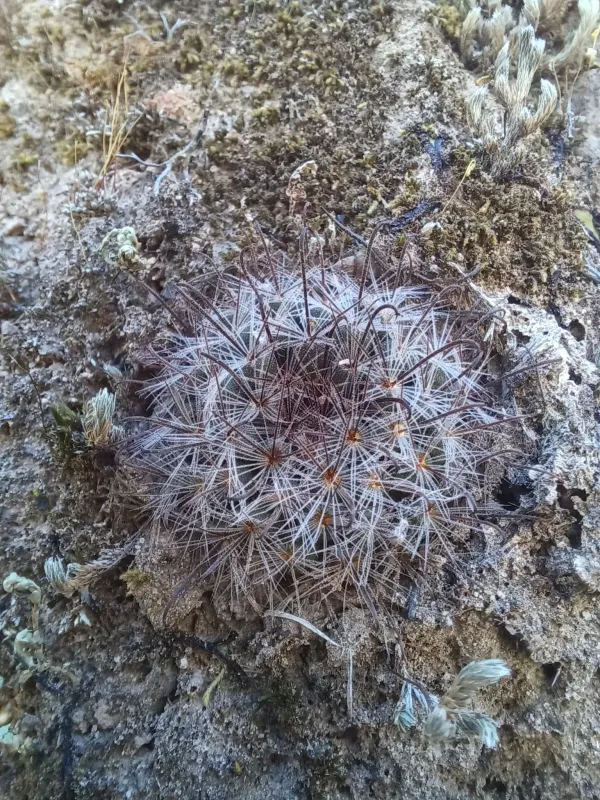
Description
Sowing dates
Propagation of this crop in greenhouses or home conditions is most often carried out by seeds or vegetatively by separating side offsets. The optimal time for sowing seeds is at the beginning of the spring period.
For successful seed germination, it is necessary to use a light, well-drained substrate based on sand and peat. The soil surface should be slightly moistened, and the seedlings should be covered with glass or film.
The temperature regime during the germination period must be strictly maintained within +22...+25°C. It is important to ensure regular ventilation of the containers to prevent fungal infections and air stagnation.
The first picking of young seedlings is carried out after the formation of primary spines, when the plants become stable enough. Transplanting into individual pots promotes root system development.
In the vegetative method, offsets are carefully separated from the mother plant and dried for a few days. After a callus forms on the cut, the shoots are planted in a dry substrate until rooting begins.
Growing requirements
Mammillaria bocasana belongs to the Cactaceae family and is native to the mountainous regions of Mexico. This plant requires a significant amount of bright sunlight throughout the year, with artificial lighting recommended in winter.
The soil mix for this crop must have high air permeability and a neutral pH. Specialized ready-made substrates for succulents with the addition of coarse sand, perlite, or fine expanded clay are ideal.
Temperature requirements include moderate heat in summer (+20...+26°C) and a cool winter period ranging from +10...+12°C. Sharp temperature fluctuations and drafts can negatively affect the appearance of the stems.
Watering must be strictly measured: during the active growth phase, allow the soil to dry out completely, and in winter, keep it almost dry. It is vital to avoid getting water on the stem pubescence to prevent rot.
Air humidity should be low, as excess moisture triggers pathogens and loss of decorative appeal. Regular room ventilation is a mandatory condition for the health of the culture.
Main diseases and pests
The main threat to this species is excessive watering, which leads to rotting of the root system and the base of the stem. Symptoms of damage include tissue softening and a change in epidermis color to brown.
Among pests, the mealybug is the most dangerous, as it hides in the dense pubescence of the plant. Detecting it can be difficult, so regular inspection of the cactus with a magnifying glass is required.
Under indoor conditions, if sanitary standards are not followed, spider mite infestation is possible. It manifests as thin webs and discolored spots on the plant stem.
To combat pests, modern systemic insecticides or acaricides permitted for indoor use are applied. It is recommended to repeat the treatment until the colonies are completely destroyed.
Disease prevention consists of maintaining cleanliness, disinfecting the soil before planting, and following the watering schedule. Using high-quality drainage also reduces the risk of root rot.