
Mammillaria beneckei
Mammillaria beneckei
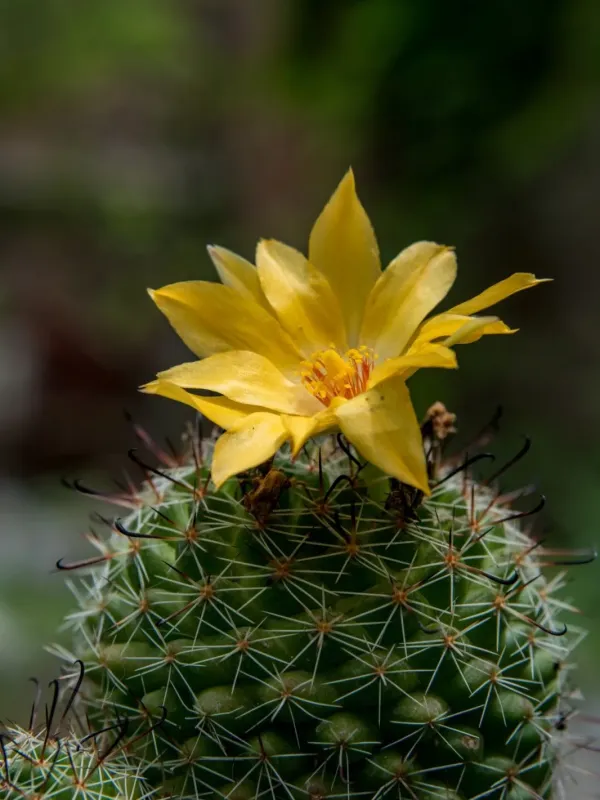
Description
Sowing dates
Propagating Mammillaria beneckei is primarily achieved through seeds during the spring season. The ideal sowing window occurs in March or April, as the increasing light levels provide the necessary energy for successful seedling development.
For optimal germination, use a sterile, porous substrate consisting of sand and peat with a small addition of activated charcoal. Sow the seeds on the surface and press them lightly, without burying them deep into the soil mixture.
Place the containers in a location with high humidity and stable temperatures ranging between 22 and 25 degrees Celsius. Covering the pots with glass or transparent foil helps maintain the necessary greenhouse climate for the seeds to sprout.
Once the seedlings develop their first spines, they require a gradual transition to more ventilated conditions. This hardening process is essential to prevent etiolation and improve the overall structural integrity of the young plants.
Prick out the young cacti into individual small pots only when they have grown enough to be handled safely. Ensure the new containers have excellent drainage to prevent moisture retention in the early growth stages.
Growing requirements
This species belongs to the Cactaceae family and is native to the arid regions of Mexico. It is specifically adapted to intense sun exposure, requiring maximum brightness throughout the growing season to maintain its compact shape and vibrant spine color.
The soil substrate must be highly permeable, mimicking the natural rocky habitat. A mixture of mineral components such as perlite, coarse sand, and lava rock is ideal for maintaining the necessary air-to-water ratio for healthy root growth.
Watering should be managed strictly according to the dry-cycle principle. Allow the potting medium to dry out completely between waterings, as the plant is highly susceptible to root rot if kept in damp or waterlogged conditions for extended periods.
During the winter dormancy period, reduce watering to an absolute minimum or cease it entirely if the plant is kept in cool conditions. A temperature range of 10 to 12 degrees Celsius during this phase promotes successful blooming in the following season.
Mammillaria beneckei prefers good air circulation and well-lit areas. Avoid placing the plant in stagnant, humid environments, as this can lead to physiological stress and reduced growth performance.
Main diseases and pests
The primary concern for this cactus is stem and root rot caused by overwatering or poor drainage. Infected plants often show soft, discolored patches on the epidermis, which require immediate surgical removal of the decayed tissue.
Mealybugs are the most common pests, hiding deep between the tubercles and spines. They are identified by their white, cotton-like secretions, which are often found in sheltered parts of the plant's surface.
Spider mites can also become a significant threat in dry, poorly ventilated conditions. Their presence is indicated by a brownish, dusty appearance on the cactus skin as they feed on the plant's cells, weakening its overall vitality.
To control pest infestations, use systemic insecticides or wipe the affected areas with a brush dipped in alcohol. Prevention involves maintaining a hygienic growing environment and performing routine inspections of the plant collection.
Ensure that any tools used for surgery or pruning are sterilized before use to prevent the transmission of fungal or bacterial pathogens. Dry the cuts thoroughly before returning the plant to its normal growth cycle.