
Tschonoski crabapple
Malus tschonoskii
Description
Growing requirements
Malus tschonoskii, commonly known as the Tschonoski crabapple, is a member of the Rosaceae family native to the mountainous regions of Japan. It is distinguished by its unique upright, columnar growth habit, which makes it a sought-after tree for landscape architecture.
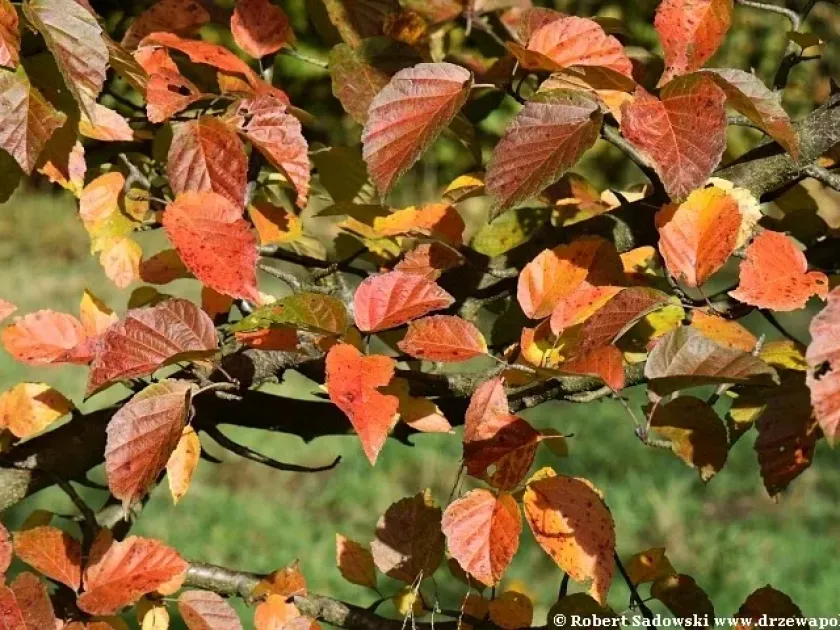
The tree thrives in fertile, well-drained loamy soils with a neutral or slightly acidic pH. It requires full sun exposure to maintain its dense foliage and to ensure the development of its spectacular orange and red autumn colors.
Regarding climate, this species is hardy and well-adapted to temperate zones. However, young specimens benefit from regular watering during prolonged dry spells to establish a robust root system before reaching maturity.
Maintenance involves minimal intervention since the tree naturally retains its narrow shape. Occasional pruning is only required to remove dead wood or to improve structure in the early spring before the buds begin to swell.
The Tschonoski crabapple is predominantly used as an ornamental species in urban planning and private gardens. Its fragrant white flowers in spring and vibrant foliage in autumn provide significant seasonal interest.
Main diseases and pests
Although generally resilient, the species can be susceptible to apple scab under persistent humid conditions. Preventive fungicide applications in early spring can help protect the leaves and fruit from infection.
Powdery mildew is another potential concern, especially if the tree is planted in an area with poor airflow. Thinning out the canopy helps reduce humidity levels and limits the growth of fungal pathogens.
Insect pests, such as aphids, can infest the tender spring growth. Horticultural oils or insecticidal soaps are effective tools for managing these populations without impacting the garden's beneficial insect fauna.
Bark health is crucial, and the trunk should be protected from winter damage caused by rodents. Providing physical barriers or tree guards is a standard practice for protecting young trees during their first few years.
Integrated pest management, combining sanitation, proper site selection, and monitoring, is the best strategy for long-term health. A healthy, well-fed tree is naturally more resistant to common diseases and pest pressures.