
Sweet crabapple
Malus coronaria
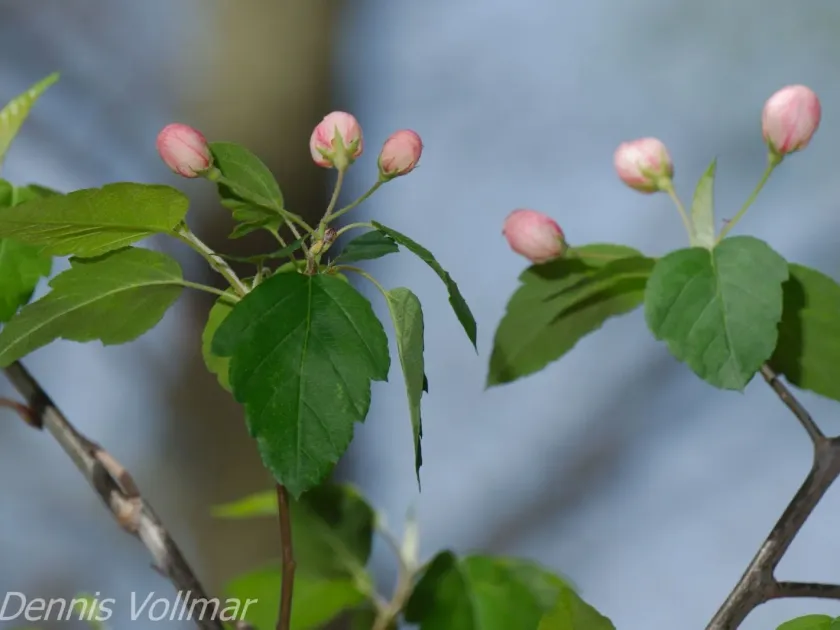
Description
Growing requirements
The sweet crabapple (Malus coronaria) is a deciduous species of the Rose family (Rosaceae) native to North America. It is widely recognized for its fragrant, pinkish-white blossoms that appear in late spring, creating a significant visual appeal in the landscape.
This species is highly adaptable, though it thrives best in deep, fertile soils with sufficient moisture. It prefers full sun exposure to maintain its dense canopy and ensure maximum flower production during the active growing season.
Botanically, it often grows as a wide-spreading, rounded tree or large shrub with thorny branches. It is a hardy species capable of surviving in various temperate climates, making it a reliable choice for park plantings and ornamental gardens.
Agricultural care involves seasonal pruning to remove dead or overlapping branches, which helps to increase airflow and reduce humidity within the crown. Mulching around the base is recommended to conserve soil moisture and suppress competition from weeds.
The fruit of the sweet crabapple is small, hard, and generally too tart for fresh eating, though it is sometimes utilized in preserves or jellies. Its primary economic value lies in its role as a decorative landscape tree and a pollinator attractor for honeybees.
Main diseases and pests
Cedar-apple rust is a significant fungal threat to the sweet crabapple, as the species acts as a host in the fungal life cycle. Managing nearby juniper populations can help mitigate the incidence of this disease in the orchard.
Apple scab can severely impact leaf health during wet springs, causing defoliation if left unmanaged. Applying systemic fungicides during the early leaf-development stage is often necessary to maintain aesthetic quality.
Pests such as aphids and spider mites can colonize the foliage during hot, dry weather. Regular monitoring and the use of insecticidal soaps or horticultural oils can effectively manage these populations without harming beneficial insects.
Fire blight remains a persistent concern for all Malus species, requiring strict sanitation protocols, including the sterilization of tools and the removal of infected growth back to healthy wood.
A proactive approach to garden hygiene, including the removal of fallen leaves and debris, is essential to disrupt the overwintering stages of common pathogens and pests that threaten the tree's overall vigor.