
Astringent apple
Malus adstringens
Description
Growing requirements
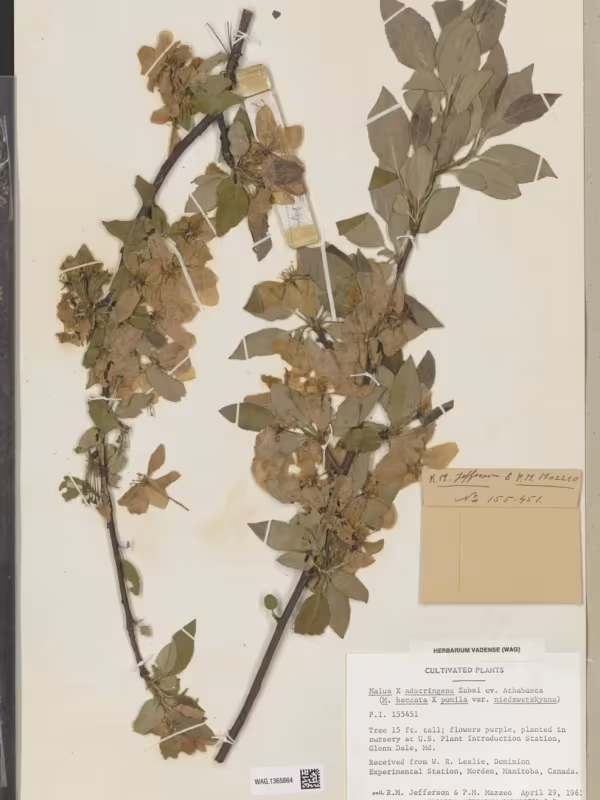
The Astringent apple (Malus adstringens) is a distinctive species within the Rosaceae family. It is valued by pomologists and breeders primarily for its genetic resilience and the specific biochemical profile of its fruit, which contains high levels of tannins.
This species thrives in well-drained, fertile soil, ideally of a loam or sandy loam texture. Proper soil drainage is critical, as stagnant water can lead to root system decay and significantly weaken the tree's vigor over time.
Exposure to full sunlight is essential for optimal growth and fruit development. In orchard settings, spacing should be carefully calculated to ensure adequate canopy air circulation, which helps manage microclimatic conditions and reduces fungal infection risks.
Water requirements vary by season, with increased demand during the early vegetative stage and fruit expansion. Drip irrigation systems are recommended to provide consistent soil moisture levels, which are crucial for consistent annual yields.
While the species is hardy, young trees require protection from extreme winter temperature fluctuations. Applying mulch around the base of the trunk helps regulate soil temperature and provides additional nutrients as the organic matter decomposes.
Main diseases and pests
Apple scab is the primary fungal threat for Malus adstringens, particularly in humid or rainy climates. The disease affects leaves, twigs, and fruit, often requiring systematic fungicide applications to maintain tree health throughout the growing season.
Powdery mildew represents another major concern, appearing as a white, dusty growth on young leaves and terminal shoots. Pruning practices that enhance airflow are the first line of defense against this pathogen in any professional orchard.
The codling moth poses a significant risk to fruit quality by causing internal damage to the developing apples. Implementing integrated pest management (IPM) strategies, such as mating disruption and biological controls, is vital for high-yield harvests.
Aphids and mites can cause damage by colonizing leaf undersides, leading to curling, yellowing, and decreased photosynthesis. Regular monitoring allows for early intervention, often using insecticidal soaps or specific horticultural oils.
Orchard sanitation, including the removal of fallen leaves and mummified fruit, is a fundamental practice to reduce the overwintering inoculum of both diseases and pests within the environment.
Harvesting
The harvest of Astringent apples is performed based on maturity indicators such as color development and chemical composition changes. Because the fruit is naturally high in tannins, the harvest window must be precisely timed to ensure optimal industrial quality.
Hand-picking is the required method for harvesting to prevent bruising and surface damage. Proper harvesting techniques ensure that the apples remain intact for storage and processing, as mechanical damage can accelerate the oxidation of tannins.
Once harvested, the fruit should be moved quickly to cold storage to decelerate physiological respiration. Keeping the apples at temperatures near 0 degrees Celsius is standard to maintain their quality for several months.
The primary use of these apples is in the beverage industry, specifically for the production of ciders and specialized juices where a complex, tannic mouthfeel is desired. They are rarely consumed fresh due to their high astringency.
Processing facilities often utilize these apples in blending programs. By combining them with sweeter apple varieties, manufacturers can create balanced, shelf-stable products that leverage the unique astringent profile of this species.