
Asiatic apple
Malus asiatica
Description
Growing requirements
The Asiatic apple (Malus asiatica) belongs to the Rosaceae family and is native to the temperate regions of East Asia. This deciduous tree is recognized for its robust growth habit and versatility in various orchard landscapes.
The tree thrives in full sun exposure, requiring at least 6–8 hours of direct light daily to ensure optimal fruit development. It prefers well-drained, loamy soils with a pH ranging from slightly acidic to neutral, which allows for efficient nutrient uptake.
Climatic requirements involve a moderate temperate climate with distinct seasonal changes. While it is hardy, the tree benefits from protected locations that prevent wind damage to the branches during heavy fruit loads.
Proper irrigation management is critical, especially during the fruit-setting stage. Applying mulch around the base helps retain soil moisture and prevents competition from weeds that could inhibit the tree's development.
Pruning is a fundamental practice for this species, aimed at maintaining an open canopy. This allows for adequate air circulation, which is vital for reducing humidity levels within the foliage and preventing various pathogens.
Yield
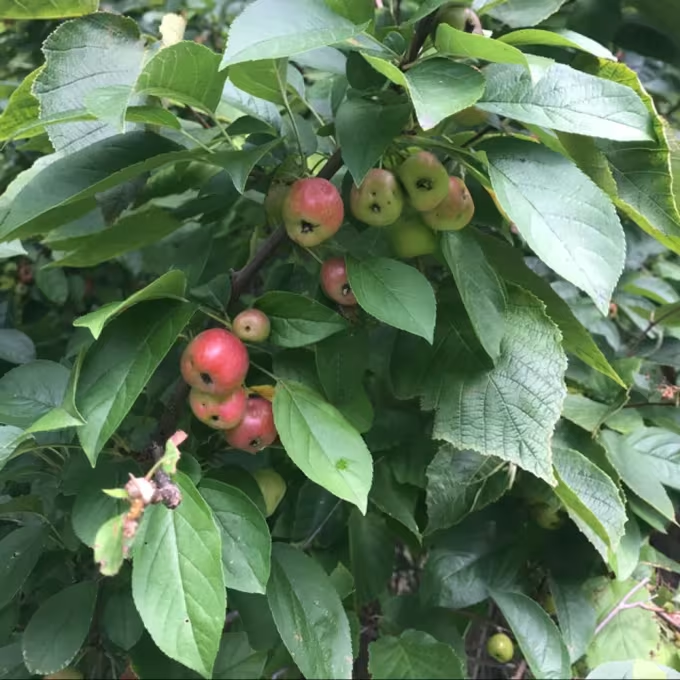
The fruits of Malus asiatica are typically spherical and valued for their crisp texture and balanced flavor profile. They exhibit a bright color range from yellow to deep red when mature, making them highly attractive for fresh-market sales.
Yield capacity is influenced by the orchard's management practices, including thinning techniques. By removing excess young fruit, growers ensure that the remaining apples reach a larger size and better quality.
Harvesting usually occurs in late summer or autumn, depending on the specific cultivar. Fruits are carefully picked by hand to avoid bruising, which ensures their commercial value and storage longevity.
In addition to fresh consumption, these apples are widely utilized in food processing for beverages and dried snacks. Their composition makes them rich in fiber and beneficial plant compounds, increasing their market demand.
Consistent production requires a balanced fertilization program incorporating nitrogen, phosphorus, and potassium. Soil testing every few years is recommended to adjust nutrient levels based on the specific needs of the orchard.
Main diseases and pests
Like many species in the Malus genus, the Asiatic apple is susceptible to diseases such as apple scab and powdery mildew. These fungal issues can compromise the foliage and skin of the fruit if left uncontrolled.
Pest management focuses on controlling the codling moth, aphids, and spider mites. These pests can significantly reduce yields if early detection and integrated pest management (IPM) strategies are not implemented.
Orchard hygiene is the primary defense against threats. Removing fallen fruit and infected leaves helps break the life cycle of common pests and limits the dispersal of fungal spores during rainy weather.
Biological controls, such as introducing beneficial insects like ladybugs or lacewings, can effectively keep aphid populations in check. This sustainable approach reduces the need for heavy chemical applications.
- Annual fungicide applications during the dormant season.
- Use of yellow sticky traps for monitoring flying insects.
- Regular inspection of the root collar and trunk for boring insects.