
Bracted apple
Malus bracteata
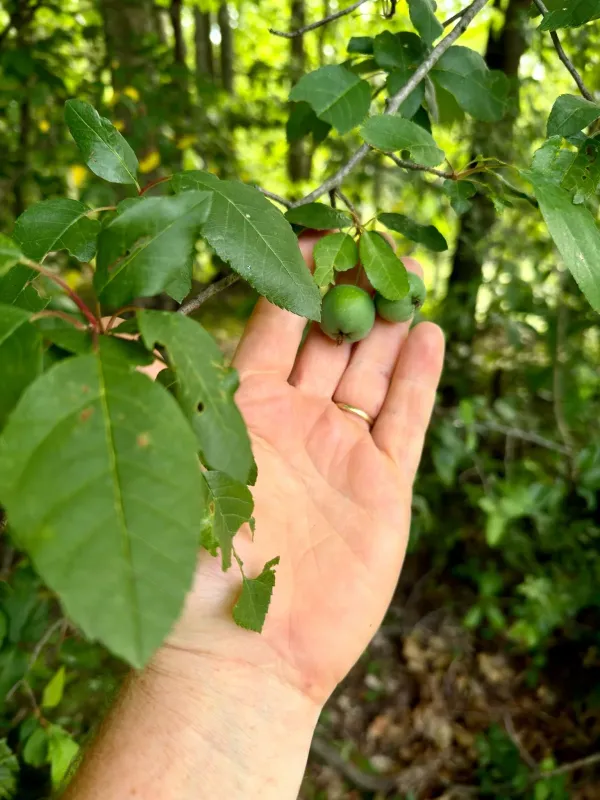
Description
Growing requirements
The Bracted apple (Malus bracteata) is a deciduous tree species belonging to the Rosaceae family. It is typically found in temperate forest ecosystems where it plays a role in local biodiversity. The tree is recognized for its unique floral morphology, specifically the presence of distinct bracts.
Botanically, this species exhibits typical traits of the genus Malus, including simple alternate leaves and terminal inflorescences. It prefers well-drained, fertile soils that provide sufficient nutrient content for consistent annual growth throughout the spring and summer months.
Regarding climate requirements, the Bracted apple is adapted to regions with clear seasonal transitions. It requires a distinct cold dormancy period to ensure proper bud break and flowering. It thrives in locations that offer full sun exposure, although it maintains moderate shade tolerance during juvenile stages.
Cultivation practices involve proper site selection to avoid areas prone to waterlogging, as root health is critical for this species. Consistent soil moisture management is required, especially during the establishment phase, to ensure healthy root development.
For optimal maintenance, regular pruning is necessary to maintain an open canopy architecture. This practice ensures better light penetration and air circulation, which are vital for reducing the physiological stress on the tree and preventing fungal pathogen colonization.
Main diseases and pests
Common pathological threats include powdery mildew, which often manifests under high humidity and poor ventilation. This fungal infection primarily affects the younger foliage and can lead to significant physiological weakening if left untreated.
Apple scab is another significant concern, primarily affecting fruit quality and leaf viability. Implementing integrated pest management strategies is essential to prevent the spread of spores throughout the orchard or habitat, especially during rainy growing seasons.
Pests such as the codling moth pose a direct threat to fruit production. The larvae bore into the developing fruit, which significantly diminishes the crop yield and introduces pathways for secondary infections like fruit rot.
Aphids are frequent visitors that target the tender terminal growth of the tree. While small populations may be managed by natural predators, large infestations require targeted intervention to prevent curling of leaves and stunted shoot development.
Preventive care involves cleaning up fallen leaves and fruit debris around the base of the tree to interrupt the life cycles of pathogens and pests. Maintaining high soil fertility and tree vigor acts as a primary defense against the majority of biotic stressors.