
Malus brevipes
Malus brevipes
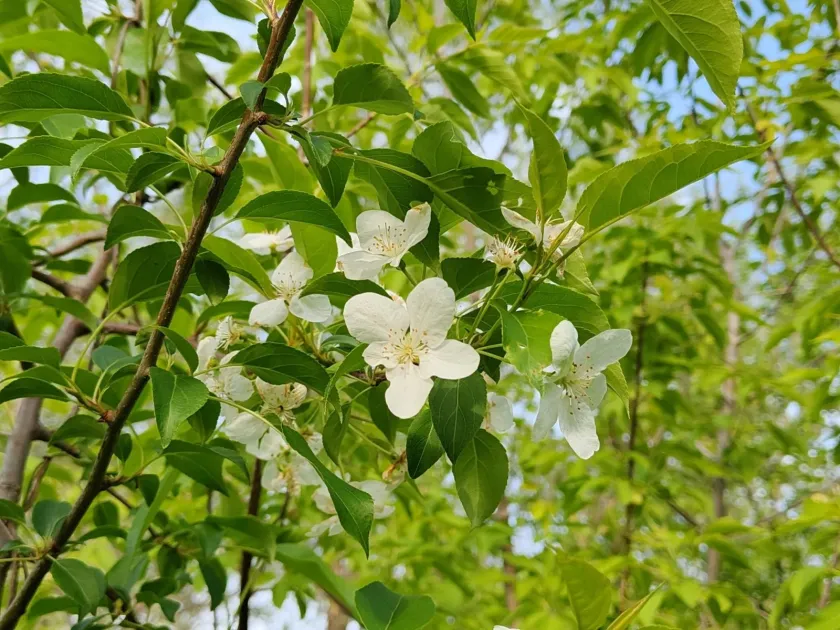
Description
Growing requirements
Malus brevipes, belonging to the Rosaceae family, is an ornamental tree species native to Japan. It is recognized for its distinctive short fruit stalks and its ability to serve as a structural element in landscape design due to its relatively compact growth habit.
The tree thrives in well-drained, fertile soil with a neutral to slightly acidic pH. It performs best in full sun, which is essential for achieving the most prolific floral display in the spring and maintaining a healthy, dense foliage structure throughout the summer months.
Climatically, the species is quite hardy, showing good resistance to low winter temperatures. However, during the establishment phase, it requires consistent moisture to ensure that the root system develops deeply enough to handle seasonal fluctuations in rainfall.
Agronomic management includes yearly applications of balanced fertilizers to support vigorous growth. Pruning should be performed during the dormant season to remove crossing branches and ensure that the light can penetrate into the center of the tree canopy.
The practical use of Malus brevipes is primarily aesthetic. It is frequently planted in parks and private gardens where its seasonal transitions—from fragrant blossoms to vibrant fruit—provide significant visual interest without the heavy maintenance required by commercial apple varieties.
Main diseases and pests
Like many species within the Malus genus, M. brevipes can be susceptible to apple scab, a fungal disease that thrives in humid conditions. Integrated pest management, including regular sanitation and fungicide applications, is highly recommended.
Powdery mildew is another common concern, often manifesting as a white, powdery coating on foliage. Proper spacing and airflow management within the orchard or garden setting are the most effective preventative strategies against this type of fungal outbreak.
Insects such as aphids and leaf-rollers can cause aesthetic damage to leaves and buds. Monitoring for these pests in late spring is crucial, as early intervention can prevent large-scale infestations that could weaken the overall health of the tree.
Environmental stressors, such as sunscald on the trunk, can create entry points for opportunistic pests or pathogens. Protecting the trunk with light-colored wraps or paint during the winter months is a standard practice for many temperate-zone tree species.
Regular maintenance, including the prompt removal of dead or infected branches, is the most effective way to manage disease pressure. Keeping the area under the canopy free of leaf litter reduces the overwintering capacity for many common orchard pathogens.