
Malus dasyphylla
Malus dasyphylla
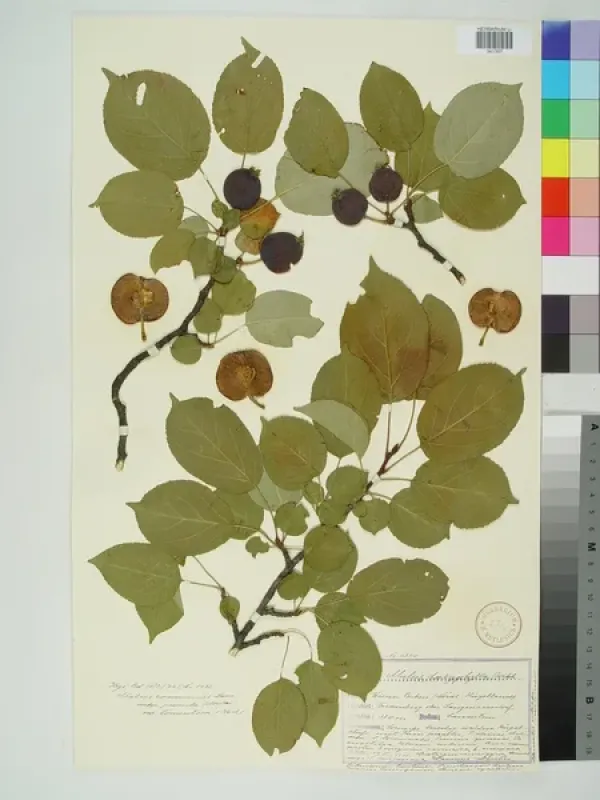
Description
Growing requirements
Malus dasyphylla, commonly known as the woolly-leaved apple, belongs to the Rosaceae family. This species is recognized for the dense, characteristic pubescence found on the underside of its leaves.
The native range of this species is primarily concentrated in the mountainous regions of Central Asia. It thrives in temperate conditions characterized by significant fluctuations in seasonal temperatures.
Successful cultivation requires well-drained, fertile soil. The tree is highly sensitive to waterlogging, necessitating the selection of sites with excellent natural or artificial drainage.
Optimal growth is achieved in sunny locations. Exposure to direct sunlight is essential for maintaining the tree's health and vigor throughout the growing season.
Agronomic management includes annual pruning to maintain a well-structured canopy. This promotes better air circulation and light penetration, which are vital for reducing moisture-related diseases.
Yield
The primary economic value of Malus dasyphylla lies in its role as a genetic reservoir. It is widely studied for its potential in breeding programs to improve rootstock hardiness.
Fruit yield is generally modest compared to commercial cultivars. The fruits are typically small and firm, often used in small-scale processing rather than for fresh market consumption.
Breeders utilize this species to transfer genes for drought tolerance and resistance to environmental stress into modern, high-yield apple varieties.
Proper orchard management, including fertilization and irrigation, can enhance fruit production capacity, making the trees more productive over longer periods.
As a rootstock, it imparts superior cold resistance to grafted cultivars, making it a valuable asset for commercial fruit growers in northern or high-altitude regions.
Main diseases and pests
The species is susceptible to common apple diseases, most notably apple scab (Venturia inaequalis) and powdery mildew, which thrive in humid conditions.
Pests such as the codling moth and various species of aphids pose a constant threat to foliage and fruit development, requiring active monitoring programs.
Integrated pest management (IPM) strategies, including the use of pheromone traps and beneficial insects, are recommended to control pest populations effectively.
Winter damage from rodents chewing on the bark can be fatal for young saplings, necessitating the use of protective wire mesh or tree guards during the dormant season.
- Regular removal of mummified fruits and dead leaves to reduce inoculum.
- Dormant season sprays to control overwintering insect stages.