
Lebanese wild apple
Malus trilobata
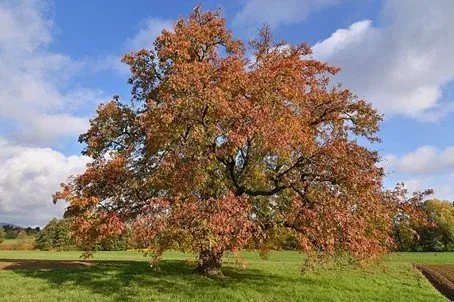
Description
Growing requirements
The Lebanese wild apple (Malus trilobata), a member of the Rosaceae family, is a distinct species native to the Eastern Mediterranean region, specifically Turkey, Lebanon, and Syria. It is valued for its unique appearance and resilience.
Botanically, this species is characterized by its maple-like three-lobed leaves. It typically grows as a small deciduous tree or large shrub, showing high aesthetic value throughout the growing season and particularly in autumn when foliage turns golden.
Regarding climate and soil, the tree thrives in well-drained, fertile soil with a pH range from slightly acidic to neutral. It is remarkably heat and drought-tolerant once established, making it suitable for regions with long, dry summers.
Cultural practices include consistent pruning to maintain a balanced canopy shape. While Malus trilobata is not typically cultivated for large-scale fruit production, its maintenance requires minimal fertilization compared to domestic apple varieties.
It is primarily utilized as an ornamental specimen in parks and private gardens. In contemporary agriculture, it is studied for its potential as a resistant rootstock due to its natural tolerance to soil-borne pathogens and environmental stresses.
Main diseases and pests
The plant is occasionally susceptible to standard apple diseases such as fire blight and apple scab. Ensuring adequate ventilation and avoiding overhead irrigation can significantly reduce the risk of infection.
Common pests include aphids and scale insects that may colonize young shoots. Monitoring for early signs of infestation is crucial, particularly during the active growth phase in late spring and early summer.