
Toringo crabapple
Malus toringoides
Description
Growing requirements
The Toringo crabapple (Malus toringoides) is a deciduous tree belonging to the Rosaceae family, native to the western regions of China. It typically grows in mountain valleys and on slopes, thriving in diverse environmental conditions including high-altitude areas.
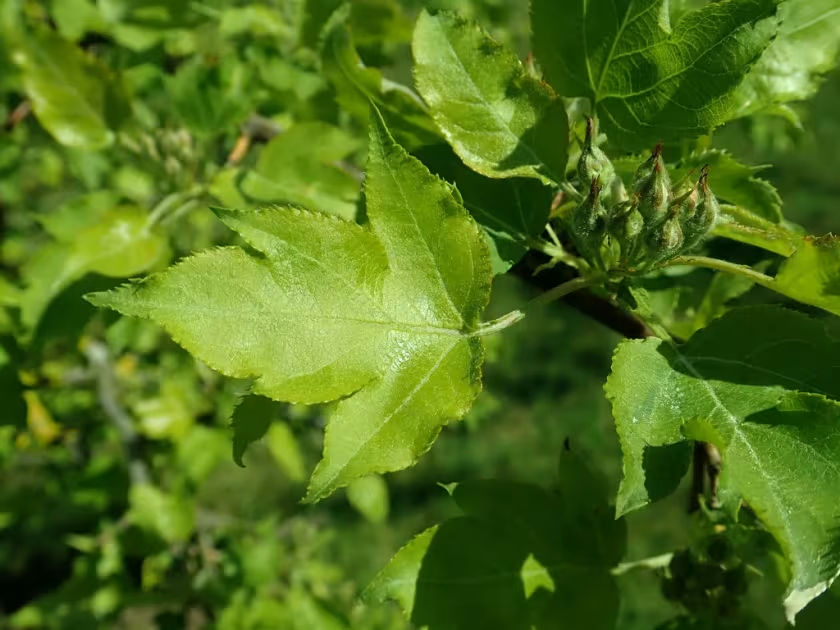
Botanically, this species is distinguished by its deeply lobed, maple-like or hawthorn-like leaves, which offer a unique aesthetic appeal. The tree produces clusters of white flowers in mid-spring, followed by small, persistent red or yellow fruits that attract wildlife throughout autumn and winter.
It prefers well-drained, fertile soil but demonstrates remarkable adaptability to rocky or poor soils. Exposure to full sun is ideal for promoting healthy growth, flowering, and fruit production, though it can tolerate light shade for part of the day.
In agricultural and horticultural practices, Malus toringoides is highly valued as a rootstock. Its vigorous root system and hardiness make it a suitable candidate for grafting cultivated apple varieties, providing excellent stability and environmental stress tolerance.
Cultivation requires minimal intervention once the tree is established. Regular structural pruning during the dormant season is recommended to maintain an attractive shape and improve light penetration within the canopy.
Main diseases and pests
The Toringo crabapple is susceptible to common pome fruit diseases, including powdery mildew and apple scab. Maintaining proper air circulation through thinning cuts is the most effective cultural method to reduce the severity of these fungal infections.
Pest management should focus on aphids and leaf-rolling caterpillars, which can stunt the growth of young terminal shoots. Integrated pest management strategies, including the use of horticultural oils, are effective for control.
Fire blight is a significant risk for many species in the Malus genus. Careful monitoring for signs of wilted, blackened foliage is essential, and any symptomatic wood should be pruned back to healthy tissue and disposed of appropriately.
Voles and other rodents may cause girdling of the trunk, particularly in young specimens during winter months. Protecting the base of the tree with hardware cloth or wire guards is a standard practice to prevent this damage.
Overall, this species displays a relatively robust nature compared to many domestic apple cultivars, allowing it to withstand minor pest and disease pressures without significant impact on its general health or longevity.