
Spontaneous apple tree
Malus spontanea
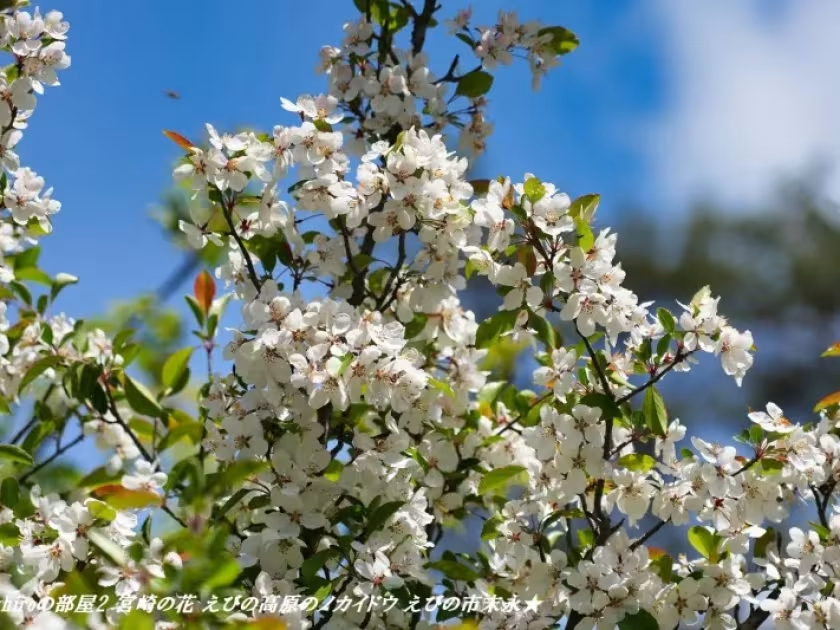
Description
Growing requirements
The spontaneous apple tree (Malus spontanea) belongs to the Rosaceae family and represents a diverse group of naturally occurring apple hybrids. It is widely recognized for its genetic resilience and ability to thrive in various ecosystems.
This species prefers deep, well-drained loamy soils that provide sufficient nutrient retention while preventing root rot. It is remarkably adaptable to different pH levels, though it performs best in neutral to slightly acidic environments.
Regarding climate, the spontaneous apple tree is highly tolerant of temperate fluctuations and is known for its cold hardiness. It requires sufficient solar radiation to maintain high levels of photosynthesis, which is critical for healthy fruit development.
Agrotechnical practices for this species focus on minimal intervention to preserve its natural adaptability. However, light pruning during the dormant season is recommended to ensure structural integrity and to promote vigorous growth in the coming spring.
Water management is essential during the establishment phase, though mature specimens often develop deep root systems that make them self-sufficient during periods of limited rainfall.
Main diseases and pests
Like many species in the Malus genus, the spontaneous apple tree is susceptible to fungal infections such as apple scab and powdery mildew, especially in regions with high humidity and poor air circulation.
Insect pests including the codling moth and aphids present a significant challenge. These organisms can severely damage fruit quality and inhibit vegetative growth if populations are not kept under strict monitoring.
Bacterial diseases such as fire blight can occasionally pose a serious threat, necessitating the immediate removal and disposal of infected plant material to prevent the spread throughout the orchard.
Pest management should prioritize integrated control methods, emphasizing the use of beneficial insects and resistant management strategies over chemical applications whenever possible.
Maintenance of tree hygiene is the first line of defense. By removing leaf litter and fallen fruit, growers can significantly reduce the overwintering capacity of common diseases and pests that threaten Malus spontanea health.