
Chinese flowering apple
Malus spectabilis
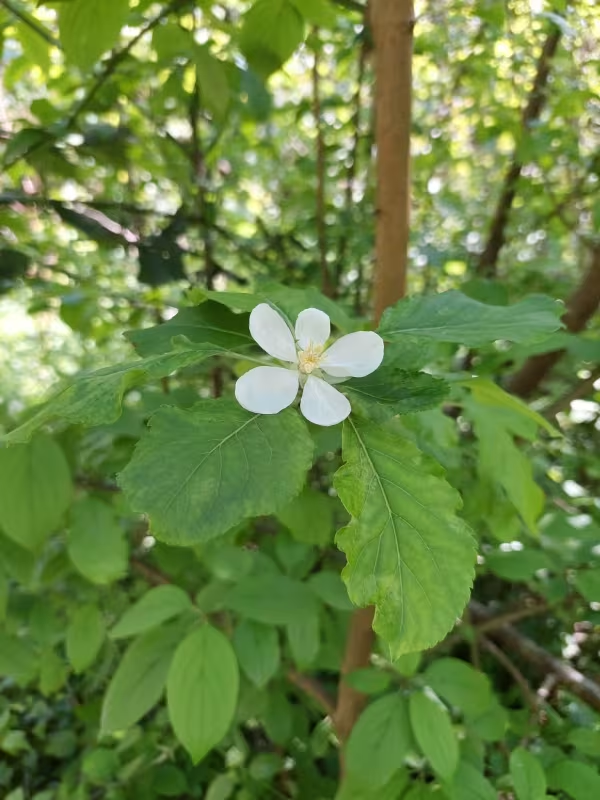
Description
Growing requirements
Malus spectabilis, commonly known as the Chinese flowering apple, belongs to the Rosaceae family. Native to China, it is highly regarded globally for its spectacular floral displays, making it an iconic specimen tree in botanical collections and residential landscapes.
The tree thrives in full sun exposure, which is essential for ensuring vibrant flowering and robust growth. It requires fertile, loamy, and well-drained soil, as the roots are sensitive to prolonged waterlogging, which can easily trigger physiological decline.
Regarding climate, this species demonstrates moderate hardiness, preferring temperate zones. While mature trees are quite resilient, young specimens should be protected from harsh winter winds and heavy frosts with mulch covering their base during the initial establishment phase.
Cultural practices include consistent watering during dry spells and the application of balanced fertilizers in early spring. Pruning is a critical activity, performed while the plant is dormant to shape the canopy and remove dead wood, thereby improving plant vigor.
In terms of usage, Malus spectabilis is exclusively an ornamental plant. Its aesthetic value is derived from its large, semi-double pink flowers, which make it perfect for focal points, woodland-style garden plantings, or as a decorative street tree.
Main diseases and pests
The Chinese flowering apple is susceptible to common rosaceous diseases, including apple scab (Venturia inaequalis) and powdery mildew. High humidity combined with poor air circulation is the primary trigger for the rapid spread of these fungal infections.
Pests such as aphids, spider mites, and leaf-mining insects can significantly impact the foliage and overall health of the tree. Vigilant scouting is necessary to catch infestations early before they lead to severe leaf drop or stunted growth.
Integrated pest management strategies are highly recommended to keep the tree healthy. This includes maintaining proper spacing between trees to ensure adequate airflow, which naturally reduces the moisture levels that fungi require to thrive.
In case of severe infestations, chemical or organic treatments may be applied. However, it is vital to time these applications carefully, avoiding spraying during peak blooming times to protect visiting pollinators like bees and butterflies.
Lastly, good sanitation practices, such as raking up and disposing of fallen leaves in the autumn, play a crucial role in reducing the overwintering population of pathogens and pests, ensuring a healthy start for the tree in the following spring.