
Midget crabapple
Malus micromalus
Description
Growing requirements
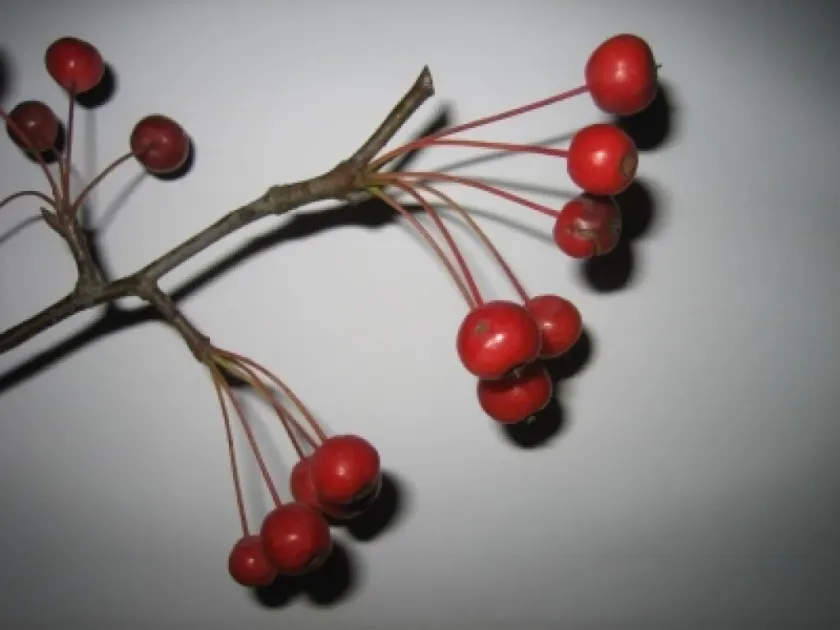
The Midget crabapple (Malus micromalus) is a deciduous tree belonging to the Rosaceae family, native to East Asia. It is highly regarded for its aesthetic appeal, featuring slender branches, attractive spring blossoms, and small, vibrant fruit that persists through the cooler months.
This species thrives in full sun exposure, which is essential for healthy flower bud development and optimal fruit coloration. It is quite hardy and adapts well to various temperate climates, though it prefers locations shielded from strong, desiccating winter winds.
Soil requirements for this tree include deep, well-draining loam that is rich in organic matter. While the tree can tolerate a variety of soil types, it is intolerant of waterlogged conditions, which often lead to root rot. Maintaining a pH level between 6.0 and 7.0 is ideal for nutrient absorption.
Agricultural management involves consistent watering during the initial growth years. Once established, the tree demonstrates moderate drought tolerance, although supplementary irrigation during prolonged dry spells is recommended to prevent fruit drop and leaf scorch.
Pruning is a fundamental aspect of its maintenance. It should be performed in late winter to remove dead or overlapping branches. This ensures a balanced canopy structure, which facilitates better light penetration and air circulation throughout the tree crown.
Main diseases and pests
Apple scab is a common fungal disease affecting Malus micromalus, particularly in regions with high spring rainfall. Management involves applying preventive fungicides and removing fallen leaves in autumn to reduce spore overwintering.
Powdery mildew often appears during hot and humid summers, creating a powdery white layer on leaves and buds. Improving airflow through strategic pruning is the most effective cultural method to mitigate this issue.
Aphids can cause significant damage to tender new growth during the spring. Monitoring and the use of insecticidal soaps or systemic treatments help to prevent the spread of these sap-sucking insects and associated sooty mold.
Fire blight is a bacterial disease that poses a significant risk to the tree. Immediate removal and disposal of infected branches, with tools disinfected between cuts, are essential to prevent the disease from spreading to the main trunk.
Winter injury to the bark, caused by sunscald or rodent activity, can weaken the tree. Protecting the trunk with white latex paint or wire guards during the colder months is a standard preventative measure in colder climates.