
Manchurian crabapple
Malus mandshurica
Description
Sowing dates
Seeds of the Manchurian crabapple are typically sown in the autumn, as they require a long period of natural stratification during the winter months.
If spring sowing is preferred, seeds must undergo artificial stratification at temperatures between 0 and 5 degrees Celsius for about 90–100 days.
Seeds should be planted at a depth of 2–3 centimeters in well-drained, fertile soil to ensure successful germination and seedling survival.
In nurseries, these seedlings are frequently used as a hardy rootstock for grafting various cultivated apple varieties to enhance winter resistance.
Regular monitoring of soil moisture is essential during the early stages of growth to prevent the delicate root system from drying out.
Growing requirements
As a member of the Rosaceae family, the Manchurian crabapple is famous for its exceptional tolerance to extreme cold and harsh climatic conditions.
The tree thrives in deep, fertile loamy or sandy soils, preferring sites with adequate moisture drainage and neutral soil pH levels.
This species is highly photophilous and requires full sun exposure to maintain vigorous growth and achieve optimal flowering and fruit production.
While the tree is quite hardy, it benefits from early spring fertilization with organic matter to support canopy development and general health.
The Manchurian crabapple is adapted to diverse climates but performs best in regions where it has protection from excessive desiccating winds.
Yield
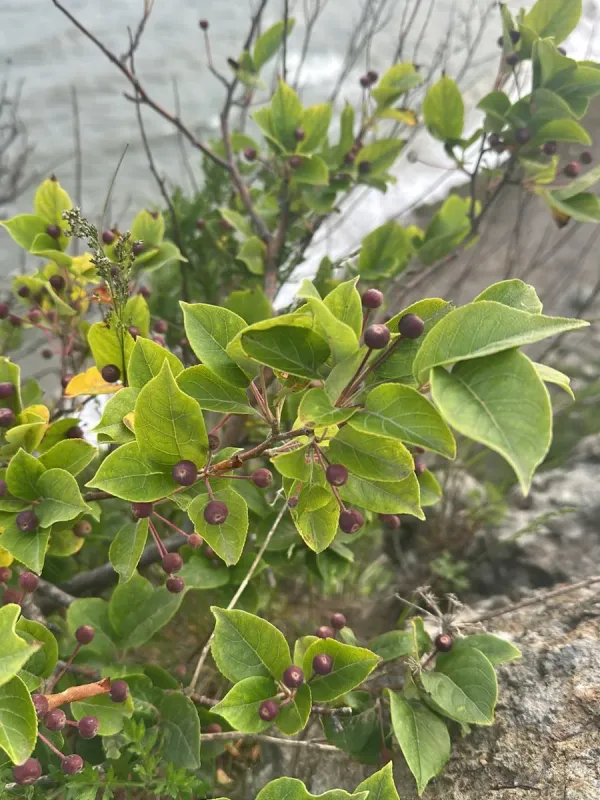
The fruits of the Manchurian crabapple are small, typically ranging from 1.5 to 2 centimeters in diameter, making them ideal for processing rather than fresh consumption.
Despite their size, these trees are highly valuable in pomology for breeding programs aimed at developing new cold-hardy and disease-resistant apple cultivars.
The tree generally begins to bear fruit within 5 to 7 years, gradually increasing its yields as the crown matures and spreads.
Fruits are often utilized in the production of jams, jellies, and artisanal ciders due to their specific flavor profile and high acid content.
Its abundant spring bloom provides significant ornamental value, making the species a popular choice for public landscapes in colder northern regions.
Main diseases and pests
Fungal infections, such as apple scab and powdery mildew, are the most common health issues, particularly during seasons with high humidity levels.
Various pests, including aphids and leafrollers, can affect foliage quality, necessitating proactive management and monitoring throughout the summer.
Regular pruning is a vital maintenance practice to remove dead or diseased wood and improve airflow, which significantly reduces the risk of fungal spread.
Small mammals, such as voles or rabbits, can damage the bark during winter, so trunk protection using guards or meshes is highly recommended.
Integrated pest management strategies should be employed to control harmful populations while maintaining the tree's overall vigor and productivity.
Harvesting
Harvesting usually occurs when the fruits reach full maturity, which typically falls between late August and September depending on the local climate.
Since the fruits have a tendency to drop shortly after ripening, timing is critical to collect the yield efficiently before excessive fruit fall occurs.
Manual harvesting is the most common method for individual trees, although mechanical collection can be used in larger orchard settings.
Immediate processing is advised because the small fruits have a short shelf life and can lose quality rapidly if stored in ambient conditions.
Following harvest, the fruit should be cleaned and sorted promptly to prepare it for preservation, cider making, or other technical applications.