
Magdeburg Apple
Malus magdeburgensis
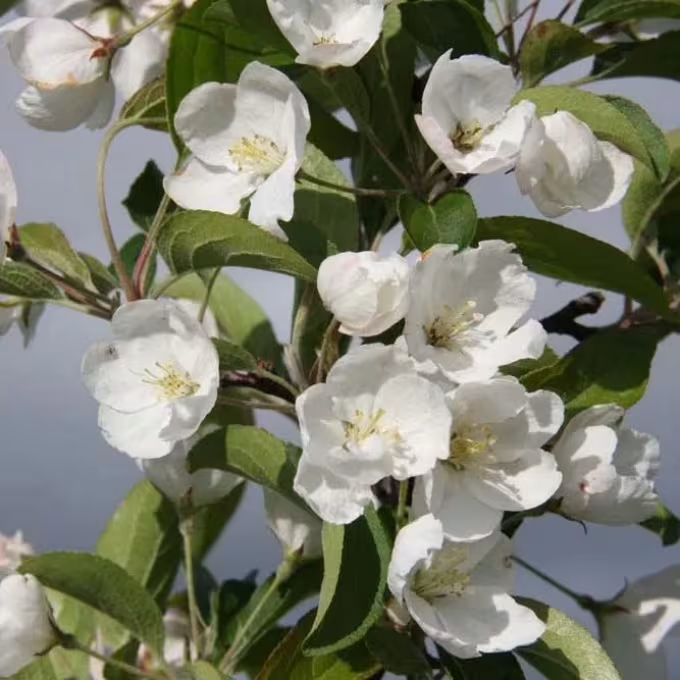
Description
Growing requirements
The Magdeburg Apple (Malus magdeburgensis) is a unique hybrid tree belonging to the Rosaceae family. It is widely recognized by botanists and horticulturists for its stunning floral display, making it a prized specimen in ornamental horticulture across Europe.
This species is characterized by its balanced growth habit and resilience to various climate stressors. It performs exceptionally well in temperate regions, demonstrating strong adaptability to both rural landscapes and urban environments where air quality might be lower.
The tree thrives in deep, fertile, well-drained loamy soils. It is essential to ensure that the site is well-drained, as the root system is sensitive to waterlogging. Planting in full sun is recommended to maximize the density of the canopy and the profusion of the blossoms.
Regarding general maintenance, the Magdeburg Apple requires occasional formative pruning to maintain its shape and ensure good airflow. Fertilizer applications in early spring help sustain vigor and support the tree's health through the growing season.
Primarily used for decorative purposes, this tree serves as a focal point in landscape design. Its aesthetic appeal during the spring bloom period, combined with its overall hardiness, makes it a preferred choice for parks, botanical gardens, and private estates.
Main diseases and pests
The species is susceptible to common apple diseases, including powdery mildew and apple scab. Maintaining a clean environment by removing leaf litter and ensuring adequate space between trees helps reduce the pressure from fungal pathogens.
Pests such as aphids and leaf rollers may occasionally infest the foliage. Monitoring the tree during the leaf emergence phase and employing integrated pest management strategies is standard practice to prevent significant damage to the canopy.