
Lanceleaf crabapple
Malus lancifolia
Description
Growing requirements
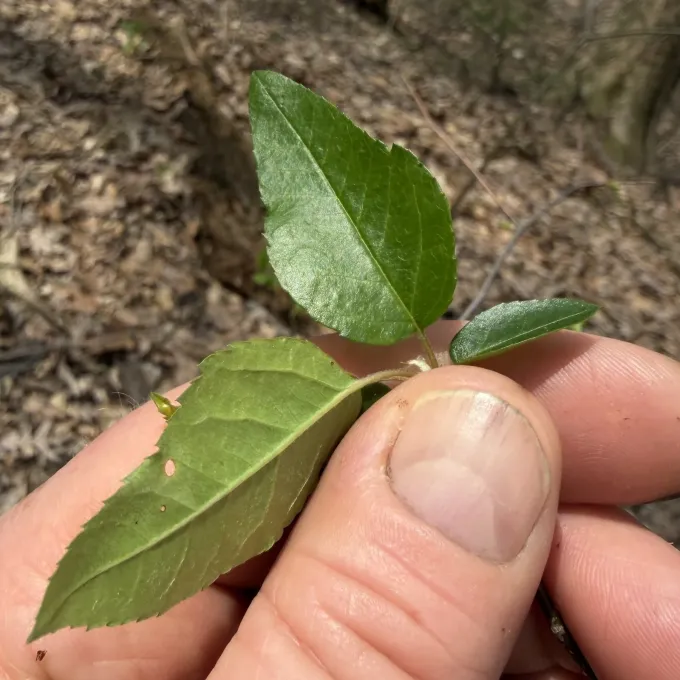
The lanceleaf crabapple (Malus lancifolia) is a deciduous tree belonging to the Rosaceae family. Native to North America, it is distinguished by its unique, narrow, lanceolate leaves, which differentiate it from many common crabapple species found in European and Asian orchards.
Regarding site selection, the species thrives in deep, well-draining soils with moderate fertility. While it possesses significant plasticity in terms of soil types, it performs best in loamy substrates that maintain moisture without becoming waterlogged during the rainy season.
Climate requirements for this species are centered on temperate zones. It is highly valued for its cold hardiness, which allows it to withstand significant winter temperatures without extensive dieback of apical buds, a trait often sought in rootstock improvement.
Standard agrotechnical practices for Malus lancifolia include annual structural pruning to maintain airflow within the canopy. This practice is essential not only for plant aesthetics but also for physiological health, as it ensures uniform light distribution for photosynthetic efficiency.
In terms of хозяйственное usage, the tree is primarily utilized as an ornamental specimen in landscaping due to its delicate spring blossoms and small, persistent fruit. Furthermore, it serves as a valuable genetic reservoir for researchers working on disease-resistant apple cultivars.
Main diseases and pests
The lanceleaf crabapple is susceptible to common Rosaceae pathogens, including apple scab (Venturia inaequalis). This fungal disease can cause severe defoliation if left unmanaged during periods of high humidity and cool temperatures in spring.
Pest pressure is frequently observed from aphids that target tender, succulent growth tips. If the infestation is severe, it can stunt vegetative growth, making the tree more vulnerable to secondary infections or environmental stress.
Fire blight remains a significant threat to many Malus species. Regular monitoring for scorched-looking foliage or blossoms is critical for early intervention, as the bacteria can spread rapidly through the vascular system of the tree.
Environmental stress factors, such as summer drought, can predispose the tree to secondary pests like wood-boring insects. Maintaining healthy growth through appropriate watering schedules helps the tree produce defensive compounds against such attacks.
Integrated Pest Management (IPM) is recommended to sustain tree health. This involves alternating the use of mechanical, biological, and chemical controls to minimize the impact on beneficial pollinators, which are vital for the plant's reproduction.