
Komarov's crabapple
Malus komarovii
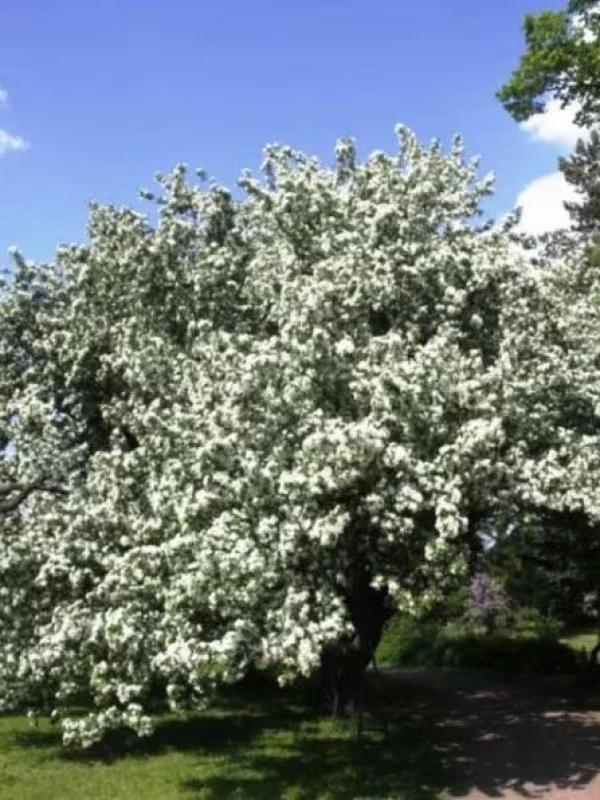
Description
Growing requirements
Komarov's crabapple (Malus komarovii) is a member of the Rosaceae family, native to the forest ecosystems of the Korean Peninsula. It is characterized by its resilience and adaptation to mountainous terrain and seasonal temperature fluctuations.
This species requires well-drained, fertile soil to thrive. It performs best in sunny locations but possesses enough plasticity to adapt to partial shade during its juvenile stage, which reflects its natural forest habitat.
In terms of agricultural management, Malus komarovii demands consistent moisture levels during the active growth phase. Mulching the base of the trunk is highly recommended to regulate soil temperature and prevent moisture loss from the root zone.
The tree exhibits high winter hardiness, allowing it to survive in regions with significant temperature drops. Pruning should be kept minimal, focusing mainly on the removal of damaged or crossing branches to maintain healthy airflow through the crown.
The main utility of this species lies in its genetic diversity. Horticulturalists utilize it as a source of traits for breeding new rootstocks and apple varieties that are resistant to specific environmental stressors and diseases.
Main diseases and pests
Common phytosanitary threats to Malus komarovii include fungal pathogens like apple scab (Venturia inaequalis), which can significantly impact leaf health if humidity remains consistently high for long periods.
Insect pests such as the codling moth and various species of scale insects can damage fruits and wood tissues, necessitating proactive monitoring programs throughout the spring and summer seasons.
Effective pest management involves maintaining high orchard hygiene, including the removal of mummified fruits and debris from under the canopy to break the lifecycle of potential pests.
When chemical interventions are required, it is essential to use products specifically approved for ornamental or fruit-bearing crabapples to avoid phytotoxicity and protect beneficial pollinator insects.
Regular visual inspections of the bark and foliage are critical to identify issues early, ensuring that preventative measures can be taken before the health of the entire specimen is compromised.