
Gansu crabapple
Malus kansuensis
Description
Growing requirements
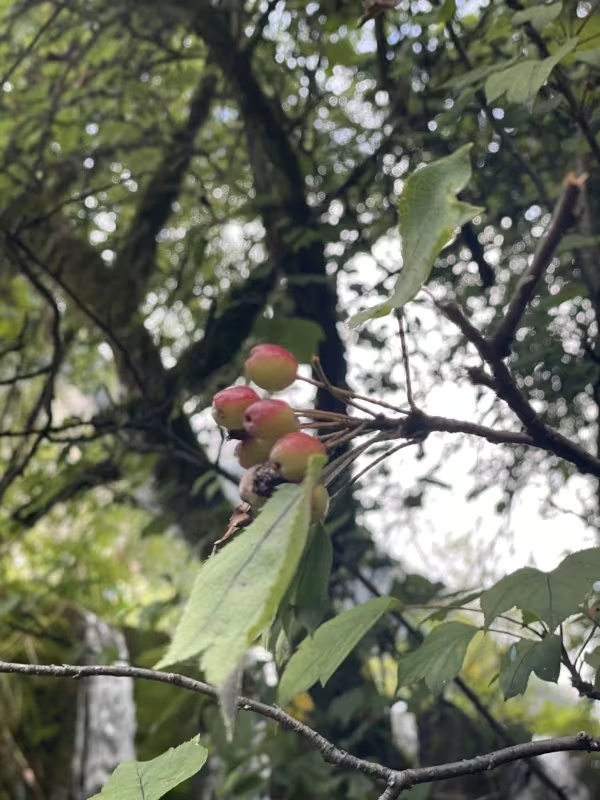
The Gansu crabapple (Malus kansuensis) is a member of the Rosaceae family, naturally occurring in the mountainous landscapes of western China. It is distinct for its ornamental foliage, which often features three-lobed leaves, setting it apart from common orchard apples.
This species thrives in temperate climates, showing high resilience to cold temperatures due to its evolution at high altitudes. It is considered a hardy plant that can be successfully integrated into landscapes in northern regions where more delicate cultivars might fail.
The plant requires well-drained, fertile soil to reach its full potential. While it can adapt to various soil types, maintaining a neutral pH level is optimal for nutrient uptake and overall tree health throughout the growing season.
Adequate spacing is crucial when planting this species, as it grows into a sizeable shrub or small tree. Providing sufficient air circulation is essential for the tree's health, as it reduces the ambient humidity levels around the foliage and branches.
Proper water management is key; the soil should be kept consistently moist but never waterlogged. Incorporating organic matter into the soil during planting helps improve structure and nutrient retention, supporting vigorous root development.
Main diseases and pests
Gansu crabapple is susceptible to common Rosaceae pathogens, including apple scab (Venturia inaequalis) and powdery mildew. These fungal issues are most prevalent in areas with high humidity, requiring constant vigilance from the grower.
Pests such as aphids, mites, and various types of leaf-rollers can cause significant aesthetic and physiological damage. Monitoring the underside of leaves and branch tips is recommended for early detection and mitigation of potential infestations.
Fire blight is another major concern for this species, as it is for many other members of the Malus genus. Any infected branches should be pruned back to healthy wood, ensuring tools are sterilized between cuts to prevent cross-contamination.
Integrated Pest Management (IPM) practices, including the use of dormant oil sprays and pheromone traps, are highly effective in maintaining tree health without excessive chemical intervention.
Keeping the area around the base of the tree clean and free of fallen debris helps reduce the overwintering sites for both pests and fungal spores, thereby lowering the disease pressure for the following season.