
Iowa crabapple
Malus ioensis
Description
Growing requirements
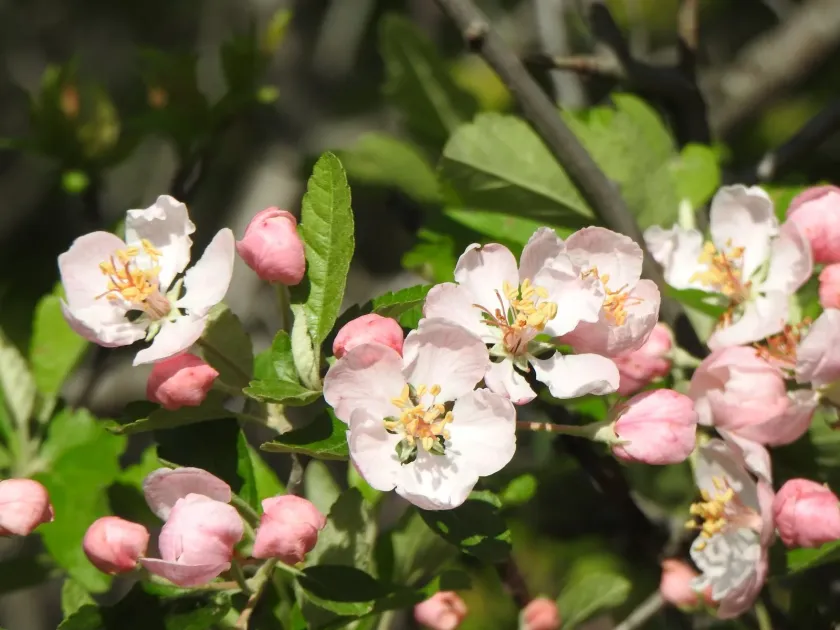
The Iowa crabapple (Malus ioensis) belongs to the Rosaceae family. It is a deciduous tree native to the central United States, valued primarily for its stunning, fragrant pale pink flowers that bloom in late spring.
The tree thrives in full sun, which is essential for healthy growth and prolific flowering. While it is quite hardy, it appreciates a sheltered spot in the garden to protect its branches from strong winds during severe winters.
Regarding soil requirements, it prefers deep, fertile, and well-drained loamy soils. It is somewhat adaptable but struggles in heavy clay soils that retain excessive moisture, as this can lead to root system issues.
Proper maintenance includes deep watering during dry summer spells and the application of a balanced fertilizer in the early spring. Mulching around the base helps retain soil moisture and suppresses weed growth.
In landscaping, the Iowa crabapple is an excellent ornamental choice. It is frequently used in parks and residential gardens to add seasonal interest and attract pollinators, serving as a focal point in the landscape.
Main diseases and pests
The species is susceptible to fire blight, a severe bacterial disease that causes branches to appear scorched. Pruning infected limbs several inches below the visible damage is necessary to stop the spread.
Apple scab is a common fungal threat, particularly in regions with high spring rainfall. Maintaining good airflow within the canopy through proper pruning helps reduce the risk of this infection.
Insect pests such as aphids, mites, and leaf miners can periodically infest the foliage. Monitoring the trees throughout the growing season allows for early intervention with appropriate horticultural sprays.
Powdery mildew can affect leaves during humid weather, especially in crowded or stagnant conditions. Keeping the tree canopy open and clear of debris is a crucial preventative measure against various pathogens.
Integrated pest management, including the use of dormant oils and timely applications of fungicides, remains the most effective strategy for ensuring the long-term health and vitality of the tree.