
Diverse-leaved crabapple
Malus heterophylla
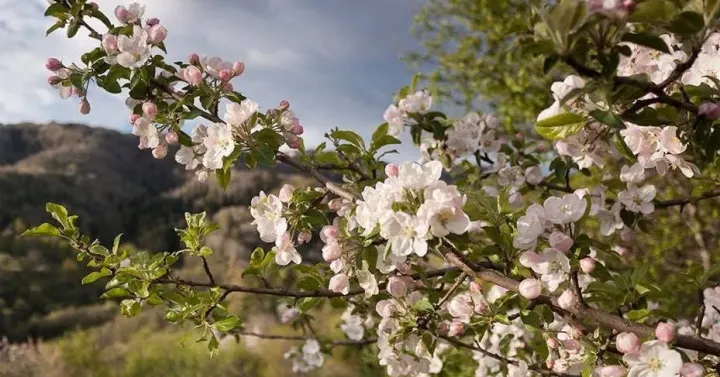
Description
Growing requirements
The diverse-leaved crabapple (Malus heterophylla) belongs to the Rosaceae family. It is a distinctive wild apple species naturally adapted to temperate climate zones where distinct seasonal changes occur, promoting healthy dormancy and growth cycles.
The plant thrives in well-drained, fertile soil conditions. It is essential to ensure that the site is not prone to waterlogging, as the root system of this species is highly sensitive to excessive moisture, which can inhibit oxygen exchange.
Regarding climate, this tree prefers full sun exposure to maintain optimal physiological activity. While it is hardy in many temperate environments, it performs best in sheltered locations that are protected from harsh, desiccating winter winds.
Botanically, the species is defined by the variability of its leaf shapes on individual stems. This phenotypic plasticity allows the tree to optimize its photosynthetic surface area depending on the light intensity and local microclimate conditions within its canopy.
The practical application of this species extends to ornamental landscaping, soil stabilization on slopes, and its role as a rootstock or genetic source for breeding commercial apple varieties that require increased resilience to environmental stressors.
Main diseases and pests
Apple scab remains the most prevalent fungal disease for this species, especially during wet spring seasons. It results in dark, corky lesions on leaves and fruit, which can significantly weaken the tree if not managed through proper canopy ventilation.
Powdery mildew is another common threat, typically appearing as a white fungal dusting on young foliage. Keeping the canopy open through strategic pruning is a fundamental cultural practice to reduce humidity levels around the leaves and prevent infection.
Insects like the codling moth and various species of aphids pose risks to the tree's health and fruit development. Aphids, in particular, can cause significant leaf curling and serve as vectors for secondary viral pathogens that affect the tree's vigor.
Fire blight, a destructive bacterial infection, requires vigilant monitoring. Once identified, infected branches must be pruned well below the infection site using sanitized tools to stop the progression of the bacteria within the tree's vascular system.
Integrated pest management, including regular inspection and the removal of fallen leaves and debris, is highly effective. Maintaining a balanced nutritional program further strengthens the tree's internal resistance to most common pests and diseases.